Standing in the hardware store aisle, staring at shelves of sprays, traps, and powders, you might feel confident tackling that ant trail yourself. But three weeks later, when the carpenter ants have carved new highways through your kitchen cabinets, that confidence can evaporate fast. The choice between DIY pest control and hiring a professional isn't always straightforward—it depends on the pest, the severity, your budget, and how much risk you're willing to accept. Let's break down what actually works, what doesn't, and how to make the smart choice for your situation.
DIY Pest Control: What Works and What Falls Short
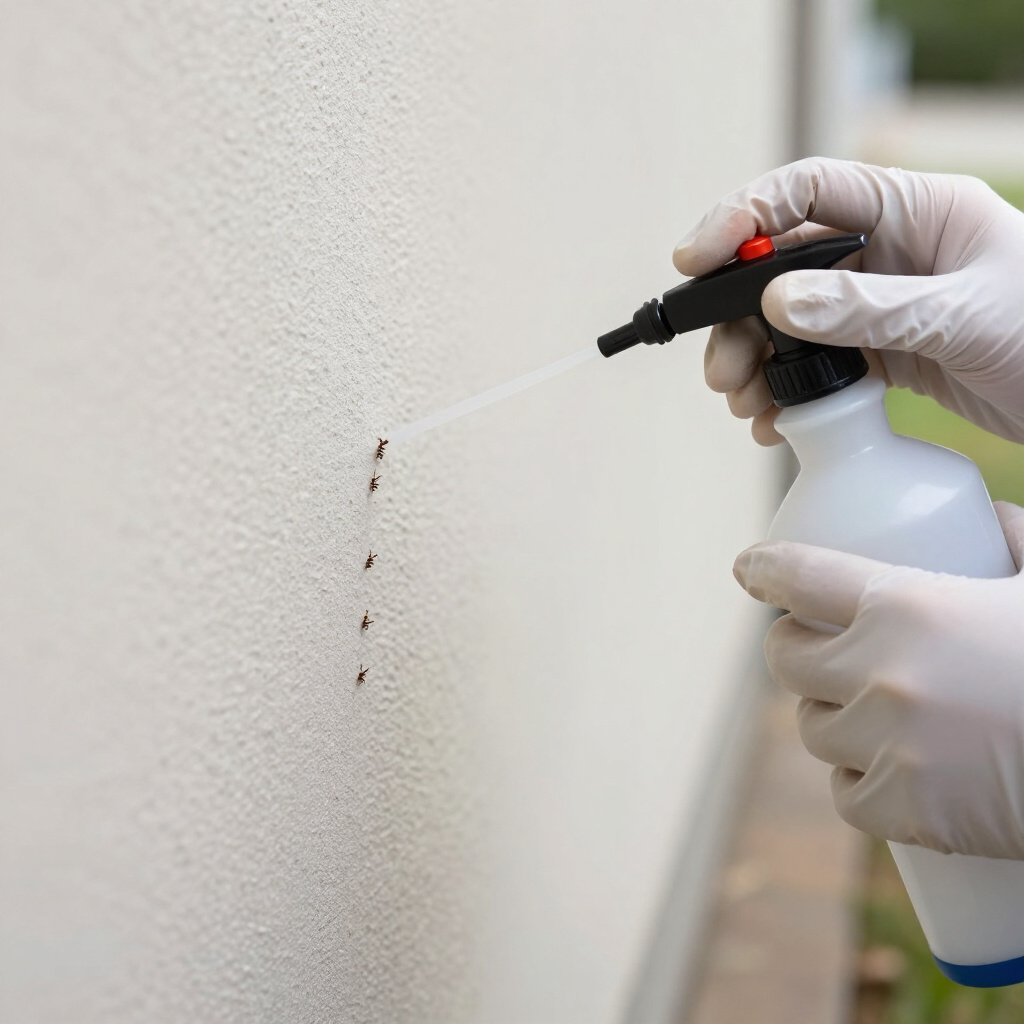
DIY pest control shines in specific, limited scenarios. A single trail of sugar ants marching across your counter? A store-bought bait station often handles it within days. A stray spider in the corner? The vacuum cleaner is your friend. Early intervention for minor, surface-level problems can save you money and solve the issue quickly.
Where DIY pest control struggles is with anything hidden, reproductive, or structurally threatening. Cockroaches behind your walls, termites silently eating your foundation, or bed bugs tucked into mattress seams—these pests laugh at over-the-counter sprays. In fact, misapplied products can make problems worse by scattering pests deeper into hiding or triggering rapid reproduction in surviving populations.
The real cost of DIY isn't just the product price tag. It's the time spent researching, applying, reapplying, and monitoring. It's the anxiety of wondering whether you got them all. And it's the potential damage accumulating while you experiment—damage that grows exponentially more expensive than professional intervention would have been from the start.
When Professional Pest Control Becomes the Clear Choice
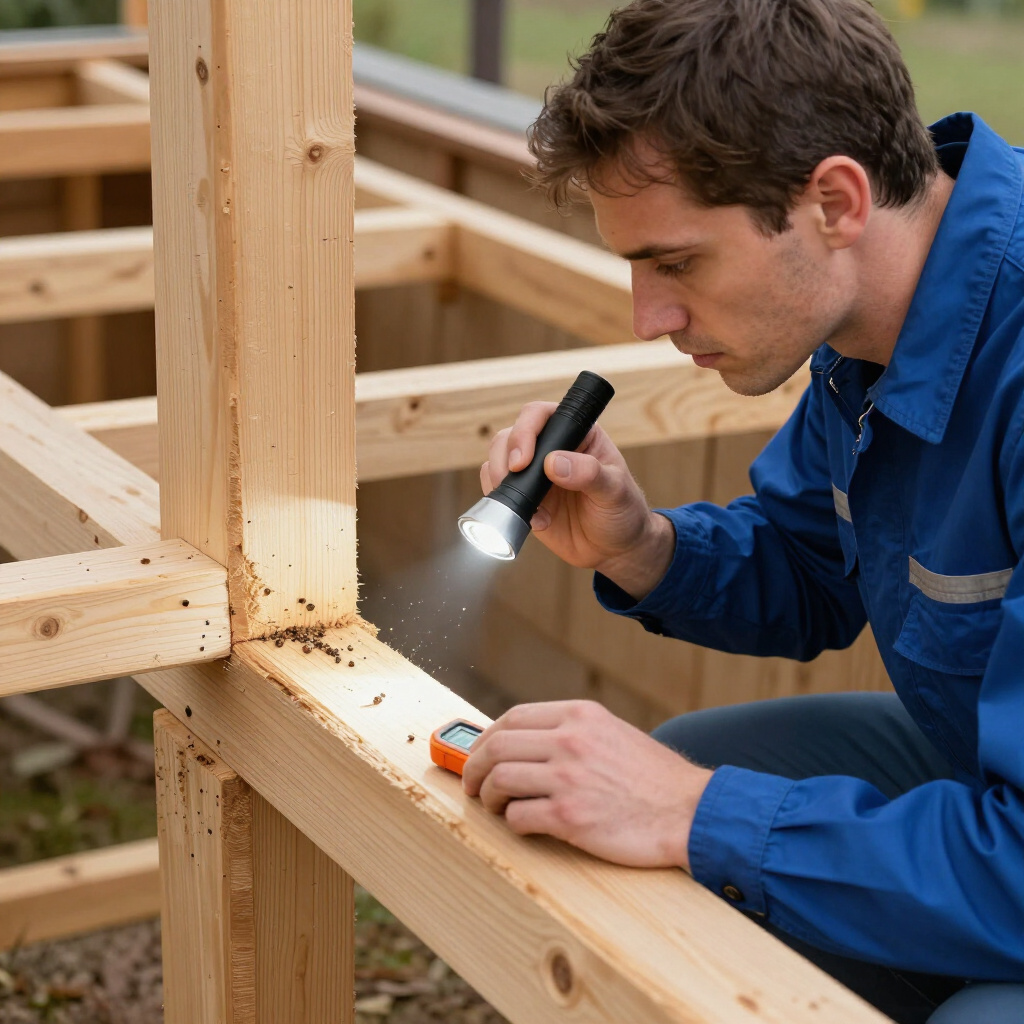
Certain situations demand expertise, equipment, and products unavailable to homeowners. Termites top this list—these insects cause structural damage that can compromise your home's integrity long before you see obvious signs. Professionals use specialized detection tools, targeted treatments like baiting systems, and carry warranties that protect your investment.
Bed bugs represent another scenario where DIY pest control typically fails. These resilient insects require comprehensive treatment protocols, heat or fumigation equipment, and follow-up inspections that homeowners simply cannot replicate. One missed egg cluster means reinfestation within weeks.
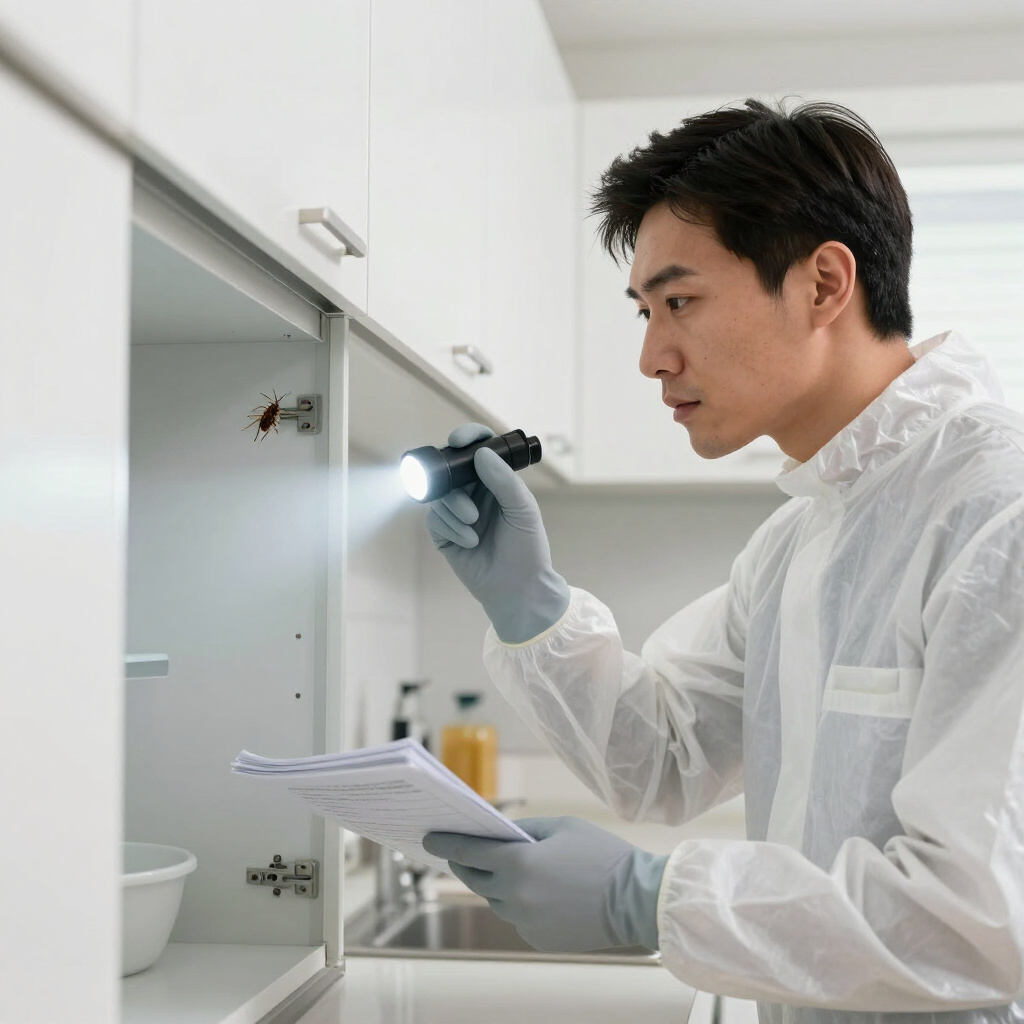
Professionals also bring integrated pest management knowledge—understanding pest biology, behavior, and environmental factors that contribute to infestations. They don't just eliminate current pests; they identify entry points, moisture issues, and attractants you might never notice. This diagnostic approach prevents future problems rather than playing whack-a-mole with symptoms.
Safety matters too. Licensed technicians know how to apply restricted-use products responsibly, minimizing exposure risks to your family, pets, and beneficial insects like pollinators. They understand application timing, ventilation requirements, and proper storage—details easy to overlook when you're desperate for results.
Key Tips for Making Your Decision
Before reaching for that aerosol can or dialing a pest control company, assess your situation honestly. Start by identifying the pest correctly—many lookalike species require completely different treatments. Misidentification leads to wasted effort and prolonged infestations.
Consider the scope. Is this a few visible insects, or are you finding signs throughout your home? Multiple locations, nighttime activity, or structural damage indicators suggest a problem beyond DIY capabilities. Trust your nose too—musty, oily, or ammonia-like odors often signal hidden colonies.
Evaluate your risk tolerance. Are you comfortable with some uncertainty, or does the thought of any remaining pests keep you awake? For phobias, allergies, or health-compromised household members, professional elimination provides peace of mind that DIY rarely delivers.
If you do attempt DIY pest control, follow product labels precisely—these are legal documents, not suggestions. More product doesn't mean better results and often creates hazards. Document what you use, where, and when, so professionals can adjust appropriately if you eventually need them.
When hiring professionals, verify licensing through your state's regulatory agency, request references, and understand warranty terms. The lowest bid rarely delivers the best value. Ask about their integrated pest management approach, treatment follow-up protocols, and whether they guarantee results.
Final Thoughts
DIY pest control and professional services aren't competitors—they're tools for different jobs. Minor, early-stage problems often resolve with diligent homeowner effort. But knowing when to escalate saves you money, stress, and potential property damage in the long run. The smartest approach? Start with honest assessment, respect what you don't know, and don't let pride or short-term savings lead to bigger headaches down the road. When in doubt, a professional inspection typically costs little and provides clarity worth far more than the fee.