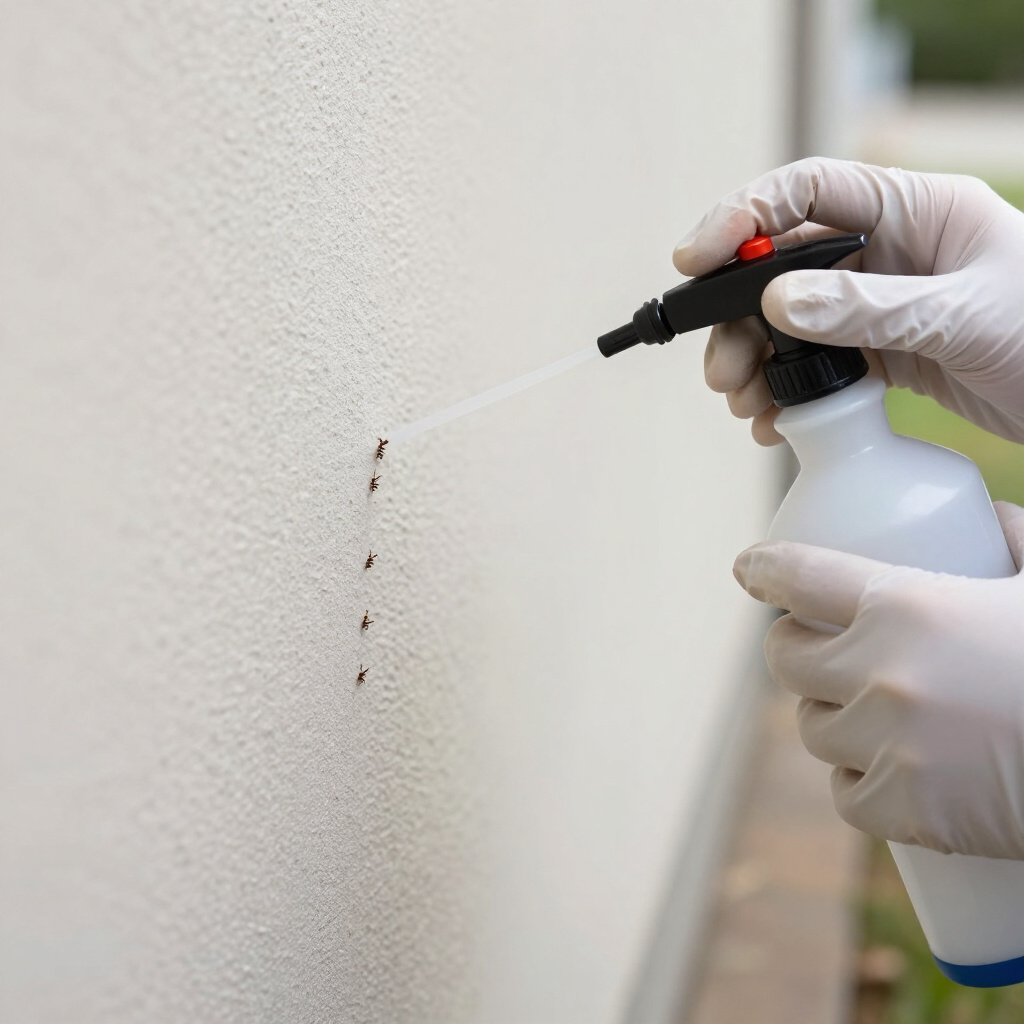


Few things are more frustrating than spotting a trail of ants marching across your kitchen counter or finding them clustered around a forgotten crumb. These tiny invaders seem to appear out of nowhere, and once they've established a route into your home, they can be remarkably persistent. The good news? With the right approach, you can make your home far less appealing to ants and stop problems before they start. Preventing ants from invading your home is far easier than trying to eliminate an established colony, and most of the effective strategies are simple habits anyone can adopt.
How to Prevent Ants From Invading Your Home Through Proper Food Storage
Ants are relentless foragers, and their primary mission is finding food to bring back to their colony. Your kitchen represents an all-you-can-eat buffet if you're not careful about storage. The first line of defense is eliminating easy access to food sources.
Start by transferring pantry staples into airtight containers. Cardboard boxes and thin plastic bags are no match for determined ants. Glass jars, heavy-duty plastic containers with tight-fitting lids, and mason jars all work beautifully for storing grains, cereals, sugar, flour, and pet food. Don't forget about less obvious attractants like honey jars with sticky residue on the outside or syrup bottles that drip down the sides.
Refrigerate ripe fruit rather than leaving it in a bowl on the counter. Clean your pet's food bowls regularly and avoid leaving food out overnight. Even small amounts of food debris can summon scout ants, who then lay down a chemical trail for hundreds of their nest-mates to follow. Wipe down counters and sweep floors daily, paying special attention to areas beneath appliances where crumbs tend to accumulate.
Your trash and recycling bins need attention too. Use bags that seal properly, and take kitchen garbage outside frequently. Rinse food containers before placing them in recycling, and consider keeping bins with strong odors—like those holding meat scraps or fruit peels—in a garage or outdoor area rather than inside your home.
Seal Entry Points and Eliminate Moisture
Ants are incredibly small and can exploit gaps you'd never notice. A thorough inspection of your home's exterior and interior will reveal numerous potential entry points that need sealing. Check around windows and doors, where weatherstripping may have deteriorated. Look at utility penetrations where pipes, cables, and wires enter your home—these often have gaps around them that ants find irresistible.
Foundation cracks, spaces beneath siding, and gaps where masonry meets wood framing all deserve attention. Use silicone caulk for smaller cracks and gaps, and consider expanding foam or concrete patch for larger openings. Don't overlook your screens; even tiny tears can admit small ant species.
Moisture is almost as attractive to ants as food. Many species seek damp environments for nesting, and water sources help them survive indoors. Fix leaky faucets, pipes, and appliances promptly. Ensure your bathroom has adequate ventilation, and wipe down sinks and tubs after use when possible. Check under sinks for hidden leaks and address any water damage quickly, as softened wood becomes easier for ants to excavate.
Outside your home, maintain proper drainage around your foundation. Clean gutters regularly to prevent overflow, and adjust downspouts so water flows away from your house rather than pooling near the base. Trim vegetation back from your exterior walls—plants touching your home create natural bridges for ants and hold moisture against surfaces.
Key Tips for Long-Term Ant Prevention
Beyond the fundamentals of food storage and sealing entry points, several additional strategies strengthen your defenses against ant invasions. These practices address the broader environment around your home and help disrupt the conditions that attract ants in the first place.
Manage your landscaping thoughtfully. Keep mulch, pine straw, and other ground covers at least six inches away from your foundation, as these materials retain moisture and provide ideal nesting sites. Store firewood off the ground and away from your house. Remove dead trees, stumps, and decaying wood from your property, since many ant species prefer nesting in rotting wood before expanding their search indoors.
Consider your use of outdoor lighting. Lights attract insects at night, and those insects become food sources that draw ants closer to your home. Switch to yellow bug lights or motion-activated fixtures to reduce this effect. Position lights away from doorways and windows when possible.
Natural deterrents can provide supplementary protection. A line of diatomaceous earth across known entry points creates a barrier that's harmless to humans and pets but lethal to crawling insects. Vinegar solutions can disrupt ant scent trails, though they need regular reapplication. Essential oils like peppermint, tea tree, and citrus have shown some repellent properties when applied around potential entry points.
Be strategic with any ant baits or treatments you use. If you do spot scout ants indoors, resist the urge to immediately spray them with repellent chemicals. Killing scouts without addressing the colony often causes the nest to send out more explorers in different directions. Instead, use slow-acting bait that foragers carry back to the colony, or simply clean the area thoroughly with soapy water to remove the scent trail and wait to see if more appear.
Regular vigilance matters enormously. Seasonal inspections of your home's exterior, prompt attention to new cracks or moisture issues, and consistent cleaning habits create an environment where ants simply cannot thrive. Prevention succeeds through accumulation of these small, repeated actions rather than any single dramatic intervention.
Final Thoughts
Preventing ants from invading your home comes down to making your space less hospitable than the alternatives available to them. These resourceful insects will always exist around our homes, but they only become problems when they find reliable food, water, and entry access. By storing food properly, sealing gaps, controlling moisture, and maintaining your property thoughtfully, you remove the incentives that draw ants indoors.
The most successful approach combines multiple strategies rather than relying on any single tactic. A spotless kitchen won't help if your foundation has unsealed cracks, and perfectly sealed entry points mean little if you're leaving pet food out overnight. Take time to assess your home honestly, address vulnerabilities systematically, and build prevention into your regular household routines. Your future self will thank you when summer arrives and the ants head somewhere more welcoming—anywhere but your home.