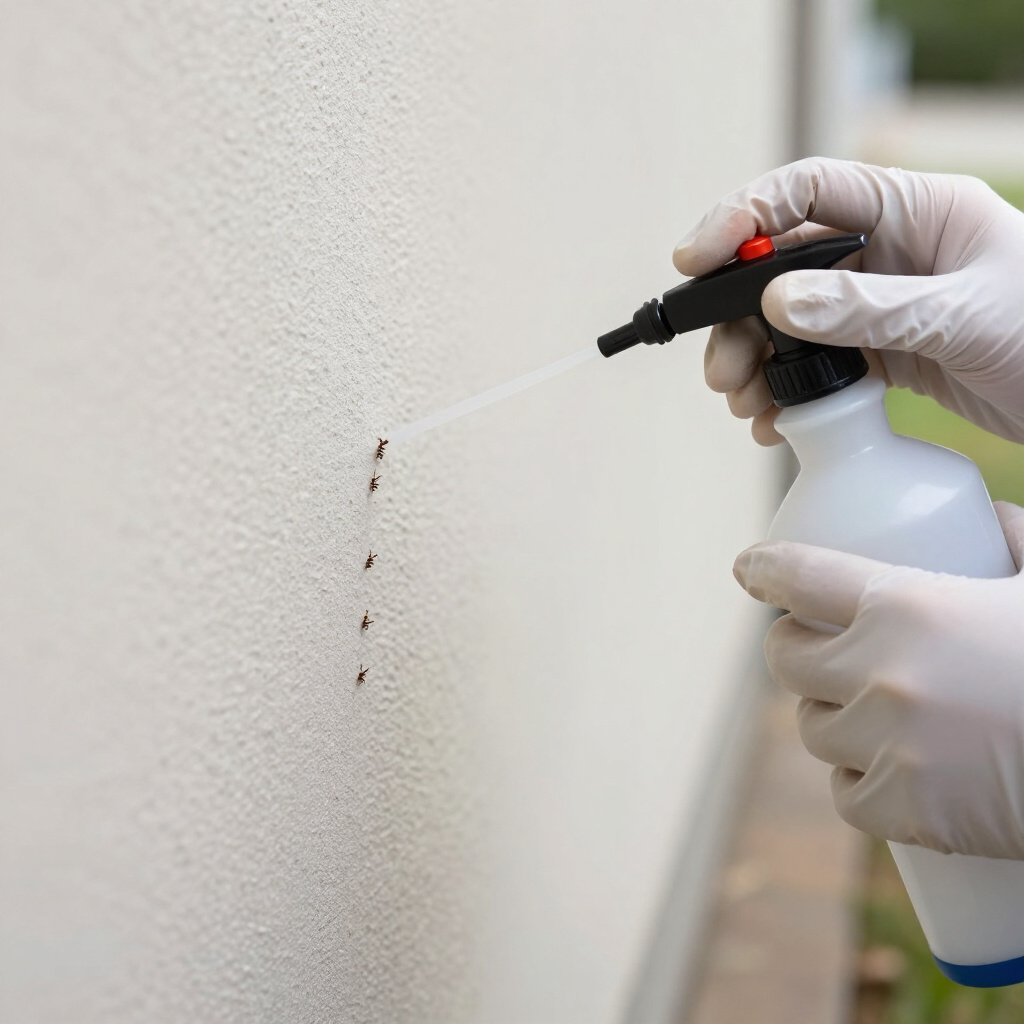


There's nothing quite like the sinking feeling of spotting an ant trail marching across your kitchen counter or hearing the telltale scratching in your walls after dark. Household pests are more than just unwelcome guests—they can damage your home, contaminate your food, and even pose health risks to your family. The good news? Most infestations are entirely preventable with the right knowledge and a proactive approach. Let's walk through the most common household pests and the practical steps you can take to keep them outside where they belong.
Most Common Household Pests and How to Prevent Them
Understanding your enemy is half the battle. Here are the pests you're most likely to encounter and what makes your home so appealing to them in the first place.
Ants are arguably the most persistent invaders, with scouts constantly searching for food and water sources. They leave invisible scent trails that recruit hundreds of followers to any crumb or sticky spill. Sugar ants, carpenter ants, and odorous house ants each have slightly different preferences, but they all exploit the same entry points: foundation cracks, gaps around windows, and door sweeps that no longer seal properly.
Cockroaches thrive in warm, humid environments with access to food debris. These nocturnal survivors can flatten their bodies to squeeze through gaps just one-sixteenth of an inch wide. German cockroaches, in particular, reproduce rapidly and can establish severe infestations before you even realize they're present.
Rodents seek shelter as temperatures drop, and your home's insulation, wiring, and pantry goods offer everything they need to survive winter. Mice and rats are excellent climbers and can gnaw through materials like wood, plastic, and even soft metals to gain access. Beyond the unsettling sounds of nighttime activity, they pose serious fire hazards by chewing electrical wiring.
Spiders typically enter homes while following their insect prey. While most common house spiders are harmless, their presence signals an underlying insect population that needs addressing. Brown recluse and black widow spiders deserve extra caution when encountered.
Termites operate silently, often causing extensive structural damage before discovery. Subterranean termites build mud tubes to access wood, while drywood termites can establish colonies directly within your home's framing. Annual inspections are essential for early detection.
Bed bugs hitchhike into homes on luggage, furniture, and clothing. These resilient pests hide in mattress seams, baseboards, and electrical outlets, emerging at night to feed. Their populations explode quickly without professional intervention.
Proven Prevention Strategies for Every Homeowner
The most effective pest control happens before problems start. These foundational habits create an environment that's fundamentally uninviting to pests.
Seal your perimeter thoroughly. Walk around your home's exterior with a critical eye. Caulk gaps around utility penetrations, repair damaged window screens, and install door sweeps that actually contact the threshold. Pay special attention to areas where different building materials meet—these transition zones often develop gaps as structures settle and expand with temperature changes.
Eliminate moisture problems. Fix leaky faucets, unclog gutters, and ensure downspouts direct water well away from your foundation. Many pests, including termites, cockroaches, and silverfish, are drawn to damp conditions. A dehumidifier in chronically humid basements or crawl spaces can dramatically reduce pest pressure.
Store food properly. Transfer pantry staples to airtight glass or heavy plastic containers. Pet food left out overnight is a major attractant—establish set feeding times and store the remainder in sealed bins. Even birdseed in garage storage can draw rodents if not protected.
Maintain your landscaping with intention. Trim tree branches and shrubs so they don't touch your home's exterior, creating natural bridges for pests. Keep mulch and soil at least six inches below siding levels, and consider using rock or rubber mulch immediately adjacent to foundations. Store firewood at least twenty feet from your home and elevate it off the ground.
Practice disciplined cleanliness. This doesn't mean obsessive scrubbing—it means consistency. Wipe counters after food preparation, sweep floors regularly, and don't let dishes accumulate in sinks. Empty indoor trash frequently and use cans with tight-fitting lids.
Key Tips for Seasonal Pest Awareness
Pest pressures shift throughout the year, and timing your prevention efforts strategically multiplies their effectiveness.
Spring brings ant swarms and termite alates emerging to establish new colonies. Inspect your foundation for mud tubes, ensure proper ventilation in crawl spaces, and address any winter moisture damage promptly.
Summer peaks flying insect activity. Maintain window screens, consider yellow-toned outdoor lighting that attracts fewer bugs, and eliminate standing water where mosquitoes breed.
Fall is rodent prevention season. As temperatures drop, mice and rats actively seek winter harborage. Inspect your attic and garage for entry points, and listen for unusual sounds in wall voids.
Winter indoor activity increases for overwintering pests like stink bugs and boxelder bugs. Check attic vents and chimney caps, and resist the urge to ignore occasional sightings as "just one"—reproduction continues year-round in heated spaces.
When prevention isn't enough, act decisively. DIY solutions work for minor, early-stage problems, but recognize when professional expertise becomes necessary. Multiple pest species, recurring issues despite your efforts, or any suspicion of termite activity warrant immediate professional evaluation. The cost of delayed response always exceeds early intervention.
Final Thoughts
Protecting your home from pests isn't about achieving perfection—it's about building consistent habits that stack the odds in your favor. The same moisture control, sealing, and sanitation practices that prevent ants also discourage cockroaches, termites, and rodents. Think of pest prevention as integral to home maintenance, not an afterthought when problems appear.
Start with a weekend perimeter inspection and commit to addressing the three most significant vulnerabilities you discover. Small, sustained efforts prevent the stress, expense, and potential health impacts of full-blown infestations. Your home should be your sanctuary, and with thoughtful prevention, you'll keep it that way—free from unwanted visitors of every size.