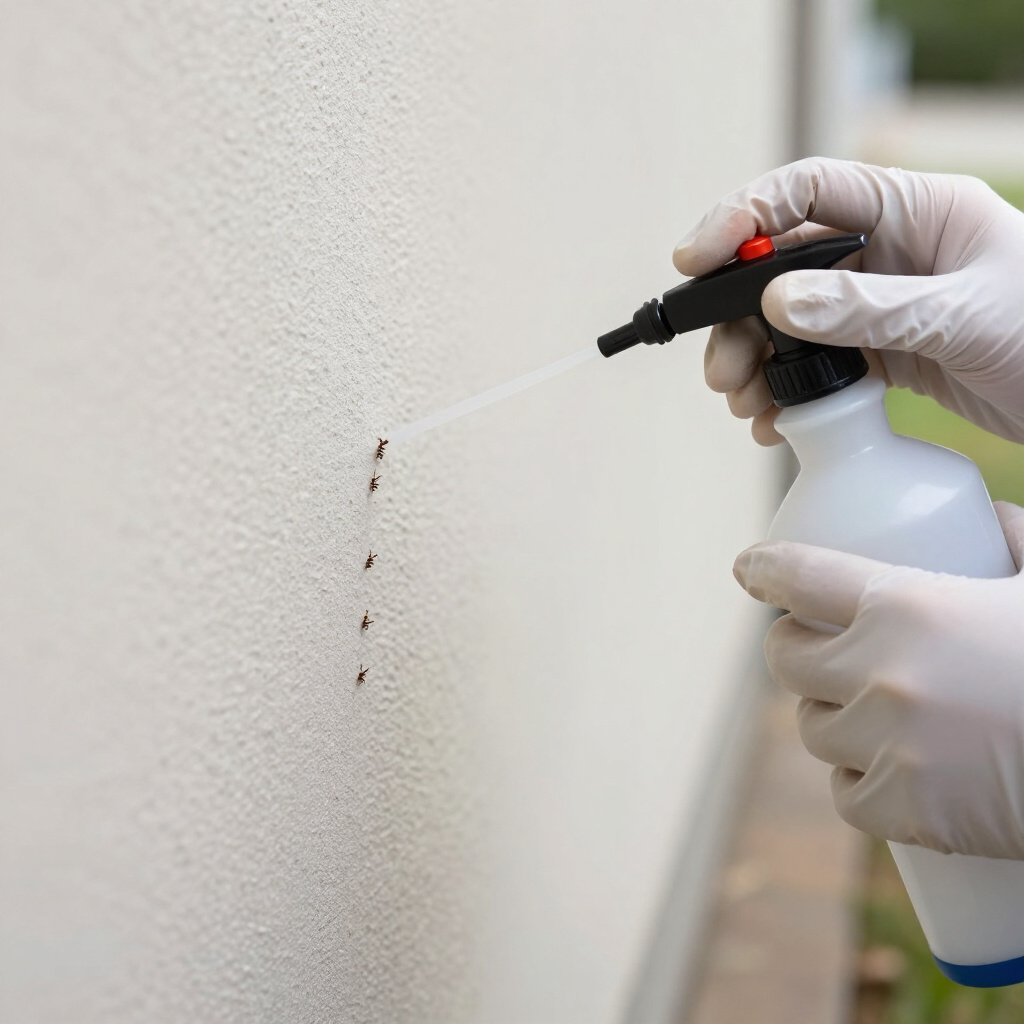


When ants march across your kitchen counter or aphids cluster on your rose bushes, reaching for a chemical spray might seem like the fastest fix. But more homeowners are discovering that natural pest control methods can be just as effective—without the harsh fumes, toxic residues, or worry about pets and children. The key is knowing which approaches actually deliver results and how to use them strategically. Whether you're dealing with indoor invaders or garden pests, these proven techniques will help you reclaim your space the natural way.
Natural Pest Control Methods for a Healthier Home
Natural pest control methods work by disrupting pest behavior, repelling invaders, or creating environments where they simply cannot thrive. The most successful approach combines multiple tactics rather than relying on a single solution. Understanding your specific pest problem is essential—what drives away spiders will not necessarily work for fruit flies or pantry moths.
Start with prevention. Seal cracks around windows and doors, repair torn screens, and eliminate standing water where mosquitoes breed. Store food in airtight containers and clean up crumbs promptly. These foundational steps make your home far less appealing to pests in the first place, reducing how much intervention you need later.
For active infestations, targeted natural remedies often outperform broad-spectrum chemical treatments. Diatomaceous earth, a powder made from fossilized aquatic organisms, damages the exoskeletons of crawling insects like ants, cockroaches, and fleas. Sprinkle food-grade diatomaceous earth along baseboards, behind appliances, and in garden soil. It remains effective as long as it stays dry, making it ideal for dry indoor spaces and protected outdoor areas.
Essential oils offer another powerful natural option. Peppermint oil repels spiders and mice, while tea tree and eucalyptus oils deter various insects. Mix fifteen drops of your chosen oil with water in a spray bottle and apply to entry points and problem areas. Reapply every few days, as the scent fades. For outdoor use, plant pest-repelling herbs like lavender, rosemary, and lemongrass around your home's perimeter to create a living barrier.
Proven Natural Solutions for Common Garden Pests
Your vegetable garden and flower beds face their own pest pressures, but natural pest control methods can protect your plants without harming beneficial insects or contaminating your harvest. The strategy here focuses on working with nature rather than against it.
Companion planting stands as one of the oldest and most reliable techniques. Marigolds release compounds from their roots that repel nematodes, while nasturtiums act as trap crops, drawing aphids away from your vegetables. Plant basil near tomatoes to discourage hornworms, and intersperse alliums throughout your garden to repel numerous chewing insects. This biodiversity approach makes your garden resilient and self-regulating.
Beneficial insects provide free, ongoing pest management. Ladybugs consume aphids, mealybugs, and mites by the hundreds daily. Lacewings prey on thrips, whiteflies, and caterpillars. You can attract these allies by planting pollen and nectar sources like yarrow, dill, and fennel, or purchase them from reputable suppliers for release in your garden. Avoid any broad-spectrum treatments that would harm these helpful visitors.
Homemade sprays address acute pest outbreaks effectively. A simple mixture of one tablespoon liquid castile soap per quart of water suffocates soft-bodied insects like aphids and spider mites on contact. For chewing insects, blend garlic, hot peppers, and water, strain, and spray on affected plants. Test any spray on a small leaf area first and apply in cool morning or evening hours to prevent leaf burn.
Physical barriers complete your garden defense strategy. Floating row covers exclude cabbage moths and carrot rust flies without blocking light or water. Copper tape around raised beds deters slugs and snails through a mild electric reaction. Handpicking larger pests like tomato hornworms or Japanese beetles remains surprisingly practical for small gardens and provides immediate results.
Key Tips for Success with Natural Methods
Patience and consistency separate successful natural pest control from frustrated failures. Unlike chemical pesticides that may kill on contact but leave no lasting protection, natural approaches build cumulative effects over time. Expect to reapply treatments more frequently, especially after rain or irrigation washes them away.
Monitor your spaces regularly. Early morning and evening inspections catch problems before they escalate. Sticky traps placed strategically reveal which pests are present and in what numbers, helping you tailor your response. Keep a simple journal noting what you observe, what you try, and what results you see—this builds your expertise for future seasons.
Know when to escalate. Severe termite infestations, extensive carpenter ant damage, or bed bug outbreaks often require professional intervention. Reputable pest control companies increasingly offer integrated pest management approaches that minimize chemical use while effectively resolving serious problems. There's no shame in calling experts when a situation exceeds DIY capabilities.
Finally, embrace some imperfection. A truly pest-free environment is neither achievable nor desirable—beneficial insects need prey, and complete elimination disrupts ecological balance. Aim for manageable pest levels that protect your health, home structure, and harvest without pursuing sterile perfection.
Final Thoughts
Natural pest control methods offer genuine, lasting protection when applied thoughtfully and consistently. By combining prevention, targeted treatments, beneficial partnerships, and realistic expectations, you create spaces that resist pest problems naturally. The investment in learning these approaches pays dividends in safer living environments, healthier gardens, and the satisfaction of solving problems without harsh chemicals. Start with one or two techniques that address your most pressing concern, build from your successes, and discover how effective nature-based solutions can be.