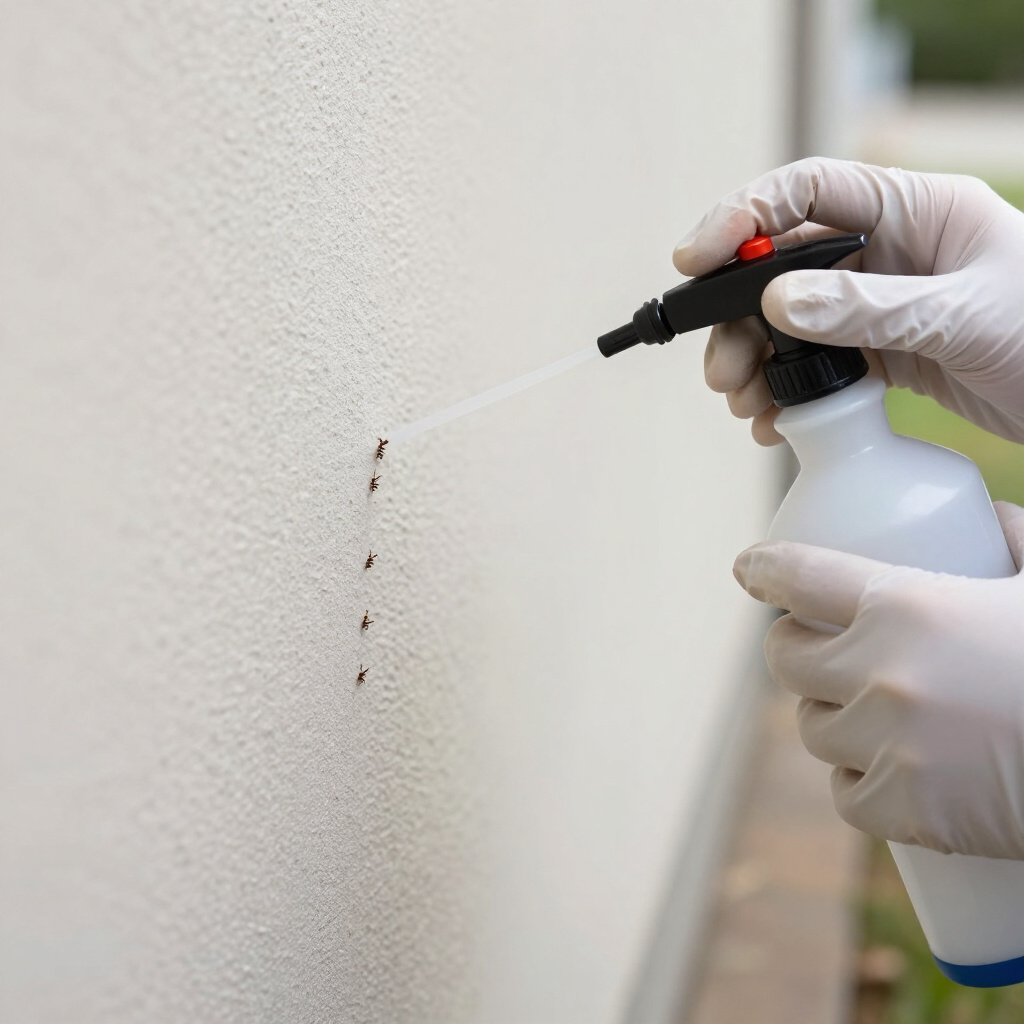


Pests don't take vacations. As the seasons change, so do the critters trying to make themselves at home in your space. What works for keeping ants at bay in July won't help when rodents start seeking shelter in November. A reactive approach—scrambling after you spot the first cockroach or hear scratching in the walls—often means you're already behind. That's why smart homeowners think seasonally, staying one step ahead of pest pressures before they escalate into full-blown infestations. This seasonal pest control checklist will help you protect your home year-round with practical, timing-specific actions that actually work.
Why Seasonal Pest Control Matters for Your Home
Understanding the connection between weather patterns and pest behavior is the foundation of effective home protection. In spring, overwintering pests emerge hungry and ready to reproduce. Summer brings peak activity for stinging insects, mosquitoes, and ants. Fall triggers a mass migration indoors as temperatures drop. Winter doesn't eliminate pest problems—it simply changes which species are active and where they're hiding.
Each season creates distinct vulnerabilities in your home's defenses. Cracks expand and contract with temperature fluctuations. Moisture levels shift, attracting different pests. Even your own habits change—opening windows more in spring, storing firewood in fall, decorating with greenery in winter—all of which can inadvertently invite unwanted guests.
The financial and health costs of ignoring these patterns add up quickly. Structural damage from termites, contamination from rodent droppings, allergic reactions to stings, and the stress of living with an infestation all take their toll. A proactive seasonal pest control approach costs significantly less than emergency treatments and repairs, while preserving your peace of mind.
Your Season-by-Season Pest Control Checklist
Spring: Inspection and Prevention
As temperatures rise, pests awaken from dormancy with voracious appetites and reproductive urgency. Start your spring pest control with a thorough exterior inspection. Walk your property's perimeter and examine your foundation, siding, and roofline for gaps, cracks, or damaged screens. Pay special attention to areas where utilities enter your home—these are common entry points that expand during freeze-thaw cycles.
Clear winter debris from gutters, downspouts, and drainage areas. Standing water and clogged gutters attract mosquitoes and provide moisture that draws carpenter ants and termites. Trim shrubs and tree branches back at least twelve inches from your home's exterior to eliminate natural bridges for pests.
Inside, inspect basements, attics, and crawl spaces for signs of winter harborage. Look for rodent droppings, shed insect skins, or moisture damage. Replace weatherstripping around doors and windows, and ensure attic vents are properly screened. If you use a professional service, schedule your first treatment now to establish protective barriers before pest populations explode.
Summer: Active Management and Monitoring
Summer represents peak pest pressure, requiring vigilant maintenance of your spring preparations. Mosquito management becomes critical—eliminate all standing water sources, including birdbaths, pet dishes, clogged gutters, and tarps. For water features you want to keep, consider mosquito dunks containing *Bacillus thuringiensis*.
Ant trails, wasp nests, and spider webs require prompt attention. Remove spider webs from eaves and outdoor living spaces weekly. For wasp nests forming in eaves or outbuildings, address them early when they're small and contain fewer defensive insects. Keep outdoor garbage in sealed containers and clean grills thoroughly after use.
Your landscaping choices matter now more than ever. Overwatered lawns and dense ground cover create ideal conditions for fleas, ticks, and moisture-loving insects. Water early in the day so surfaces dry before evening. Consider creating a dry, gravel barrier between wooded areas and your lawn to reduce tick migration.
Indoors, maintain rigorous kitchen cleanliness. Wipe counters daily, store pantry items in sealed containers, and address any plumbing leaks immediately. The combination of food, water, and cool indoor temperatures makes your home irresistible to summer pests.
Fall: Exclusion and Preparation
Fall is arguably the most critical season for pest control. As nighttime temperatures drop, rodents, spiders, boxelder bugs, stink bugs, and Asian lady beetles begin seeking winter shelter. Your goal is making your home impenetrable before this migration intensifies.
Conduct your most thorough sealing effort of the year. Use steel wool and caulk for small gaps, especially around pipes and wiring. Install door sweeps and repair damaged screens. Check that chimney caps and vent covers are secure. Remember: mice can squeeze through openings the diameter of a pencil, and juvenile rats through holes the size of a quarter.
Firewood management deserves special attention. Store wood at least twenty feet from your home and five inches off the ground. This distance prevents carpenter ants, termites, and rodents from using woodpiles as staging areas. Inspect each piece before bringing it indoors, and never store significant quantities inside.
Remove fallen leaves promptly, especially from foundation plantings and window wells. Leaf litter provides both harborage and insulation that pests exploit. Clean and store summer items like grills, patio furniture, and gardening equipment, ensuring they're pest-free before going into garages or sheds.
Winter: Maintenance and Professional Assessment
Winter offers a valuable opportunity for interior-focused pest management and planning. With exterior pest activity diminished, turn attention to monitoring and maintenance.
Inspect stored holiday decorations before displaying them—cardboard boxes in attics and basements are notorious for harboring silverfish, spiders, and rodents. Consider transitioning to sealed plastic containers. Check pantry items for infestation signs, particularly grains, nuts, and dried fruits that may have been compromised in warmer months.
Monitor for ongoing rodent activity. Look for fresh droppings, gnaw marks, and tracks in dusty areas. Listen for nocturnal scratching in walls or ceilings. Maintain traps in known problem areas, and address any new entry points that become apparent as you spend more time indoors noticing details.
Schedule a professional pest control evaluation during winter. Technicians can access areas less obstructed by vegetation, assess your year-round program's effectiveness, and recommend adjustments for the coming spring. This is also ideal timing for termite inspections, as swarmers may emerge indoors during warm winter spells.
Key Tips for Year-Round Success
Certain practices transcend seasonal boundaries and amplify your pest control efforts throughout the year. Consistency matters more than intensity—small, regular actions prevent the accumulation of conditions that attract pests.
Moisture control remains paramount across all seasons. Repair leaking faucets, running toilets, and compromised caulking around tubs and sinks. Use dehumidifiers in damp basements and ensure bathrooms have adequate ventilation. Most pests require water more frequently than food, so eliminating moisture sources dramatically reduces your home's attractiveness.
Landscaping discipline pays dividends. Maintain a vegetation-free zone immediately adjacent to your foundation. Keep mulch layers thin—no more than two inches—and never allow mulch to contact wood siding. Position outdoor lighting away from entry doors, using yellow or sodium vapor bulbs that attract fewer flying insects.
Storage practices significantly impact pest vulnerability. Use airtight containers for pantry items, pet food, and birdseed. Elevate stored items in basements and garages. Periodically inspect seldom-accessed areas where pests establish undisturbed populations.
Document your observations and actions. A simple log noting when you notice pest activity, what conditions preceded it, and what interventions you attempted builds invaluable intelligence. Patterns emerge over time that help you anticipate and prevent future problems, making your seasonal pest control increasingly effective and efficient.
Know when professional expertise becomes necessary. While diligent homeowners handle much prevention successfully, certain situations warrant expert intervention: recurring infestations despite your efforts, signs of wood-destroying organisms, stinging insect nests in hazardous locations, and any pest issue causing significant stress or health concerns. Professional pest control services provide specialized knowledge, commercial-grade products, and warranties that protect your investment.
Final Thoughts
Effective pest management isn't about achieving a perfectly sterile environment—it's about maintaining boundaries that keep your home healthy, comfortable, and structurally sound. The seasonal pest control approach recognizes that your adversaries follow predictable patterns, and your defenses must adapt accordingly.
Start where you are in the calendar. If it's midsummer, implement summer protocols while noting what fall preparation you'll need. If you're reading this in January, use winter's relative calm for assessment and planning. The key is beginning, not waiting for some ideal starting point that never arrives.
Your home represents significant financial and emotional investment. Protecting it from seasonal pest pressures through thoughtful, timely action preserves that investment while sparing you the disruption and distress of reactive crisis management. The checklist above provides your framework—customize it to your property's specific conditions, your region's particular pest pressures, and your household's needs. Consistent application, season after season, builds a defense that pests learn to avoid, directing their energies elsewhere and leaving your home peacefully yours.