
Termites are often called "silent destroyers" for good reason. These tiny pests can chew through wood, flooring, and even wallpaper undetected for months or years, causing thousands of dollars in damage before you ever realize they're there. The good news? Termites do leave behind clues if you know where to look. Learning the signs you may have termites early can mean the difference between a simple treatment and a major structural repair.
Signs You May Have Termites: What to Watch For
Spotting a termite problem early starts with knowing what to look for. While termites themselves often stay hidden, the evidence of their presence becomes visible once you train your eye to notice it. Here are the most common warning signs that termites may have invaded your home.
Mud tubes on exterior walls. Subterranean termites, the most common type in the United States, build pencil-thin mud tubes to travel between their underground colony and their food source. These tunnels protect them from predators and dry air. You'll typically find them on foundation walls, in crawl spaces, or along exterior walls—especially near the ground. Break one open, and you may see active worker termites inside.
Hollow-sounding wood. Termites consume wood from the inside out, leaving a thin veneer of paint or wood on the surface. Tap on baseboards, window sills, door frames, and wooden floors. If they sound papery or hollow, termites may have tunneled through the interior. In advanced cases, you might even poke through damaged wood with a screwdriver.
Discarded wings near windows and doors. Swarming termites, also called alates, fly to start new colonies. After they land, they shed their wings. Finding piles of small, translucent wings—often described as fish scale-like—on windowsills, near doors, or in spider webs is a strong indicator that a termite colony is nearby, possibly inside your home.
Bubbling or peeling paint. Moisture from termite activity can cause paint to bubble, peel, or crack in a way that looks like water damage. If you notice this pattern but can't find a plumbing leak, termites may be the hidden culprit.
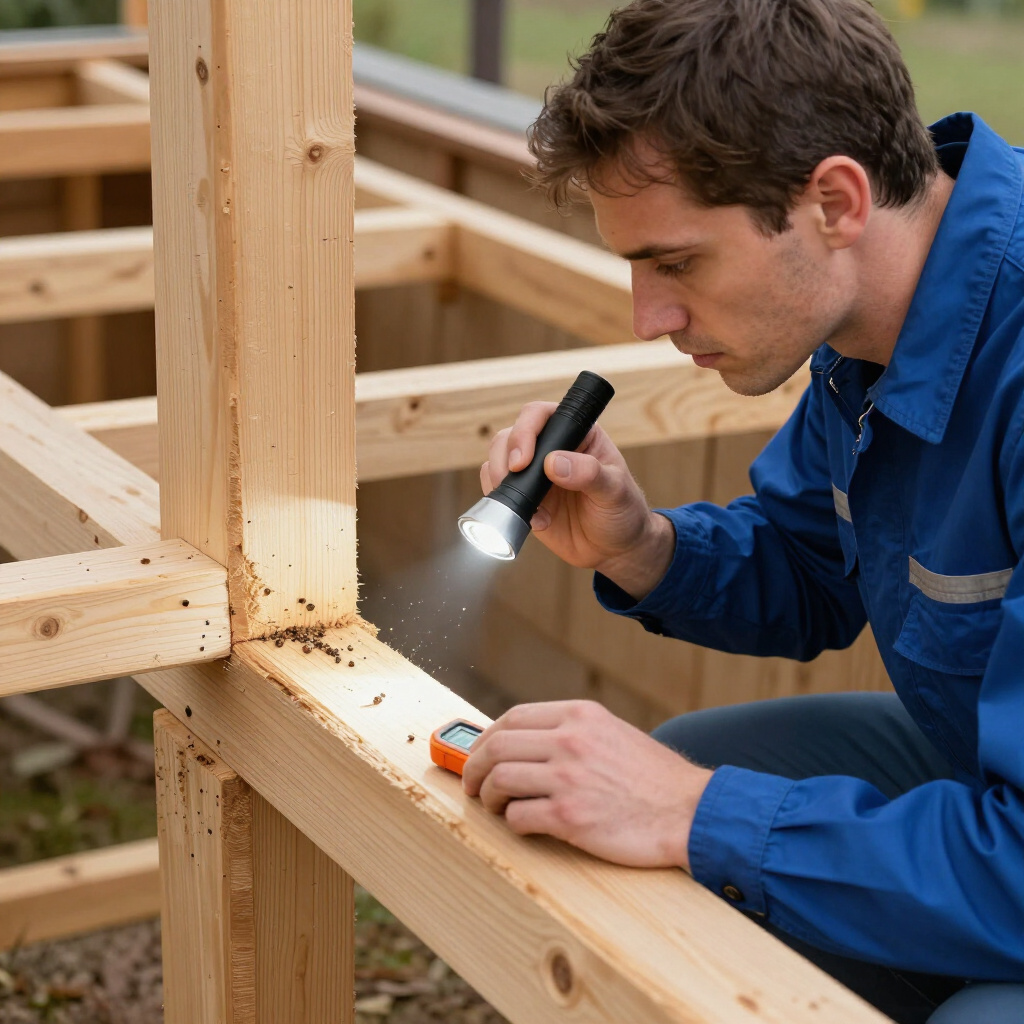
Frass: termite droppings. Drywood termites push their fecal pellets out of small holes near the entrances to their tunnels. These tiny, wood-colored droppings accumulate in small piles and resemble sawdust or coffee grounds. Unlike subterranean termites, drywood termites don't use mud tubes, so frass is often the most visible sign of their presence.
Sagging floors and buckling wood. As termites compromise structural supports, floors may begin to sag, laminate may buckle, or wooden trim might feel loose. These changes often happen gradually enough that homeowners adjust to them without recognizing the underlying cause.
Where Termites Hide in Your Home
Understanding termite behavior helps you inspect the right areas. Subterranean termites need soil contact and moisture, so they typically enter through foundation cracks, crawl spaces, or areas where wood touches the ground. Check these vulnerable spots regularly:
- Crawl spaces and basements, especially near the foundation
- Exterior wooden structures like decks, fences, and porches
- Areas with poor drainage or standing water near the foundation
- Firewood stacks, mulch beds, and tree stumps close to the house
- Attic spaces and roof eaves, particularly after swarming season
Drywood termites, by contrast, don't need soil contact and can infest any exposed wood. They often enter through attic vents, damaged soffits, or exposed wood ends. Homes in warmer, coastal regions face higher drywood termite risk.
Key Tips for Protecting Your Home
Prevention and early detection go hand in hand. Make your property less inviting to termites with these practical steps.
Eliminate wood-to-soil contact. Any wooden part of your home that directly touches soil provides termites with easy access. Keep siding at least six inches above ground level, use concrete bases for fence posts, and avoid stacking firewood against your house.
Control moisture around your foundation. Termites thrive in damp environments. Ensure gutters direct water away from your home, fix leaking outdoor faucets promptly, and grade your yard so water drains away from the foundation. In crawl spaces, consider a vapor barrier to reduce humidity.
Schedule annual professional inspections. Even diligent homeowners can miss early termite activity. A trained pest control professional knows exactly where to look and can spot subtle signs you might overlook. Annual inspections are especially important in high-risk regions and for homes with previous termite history.
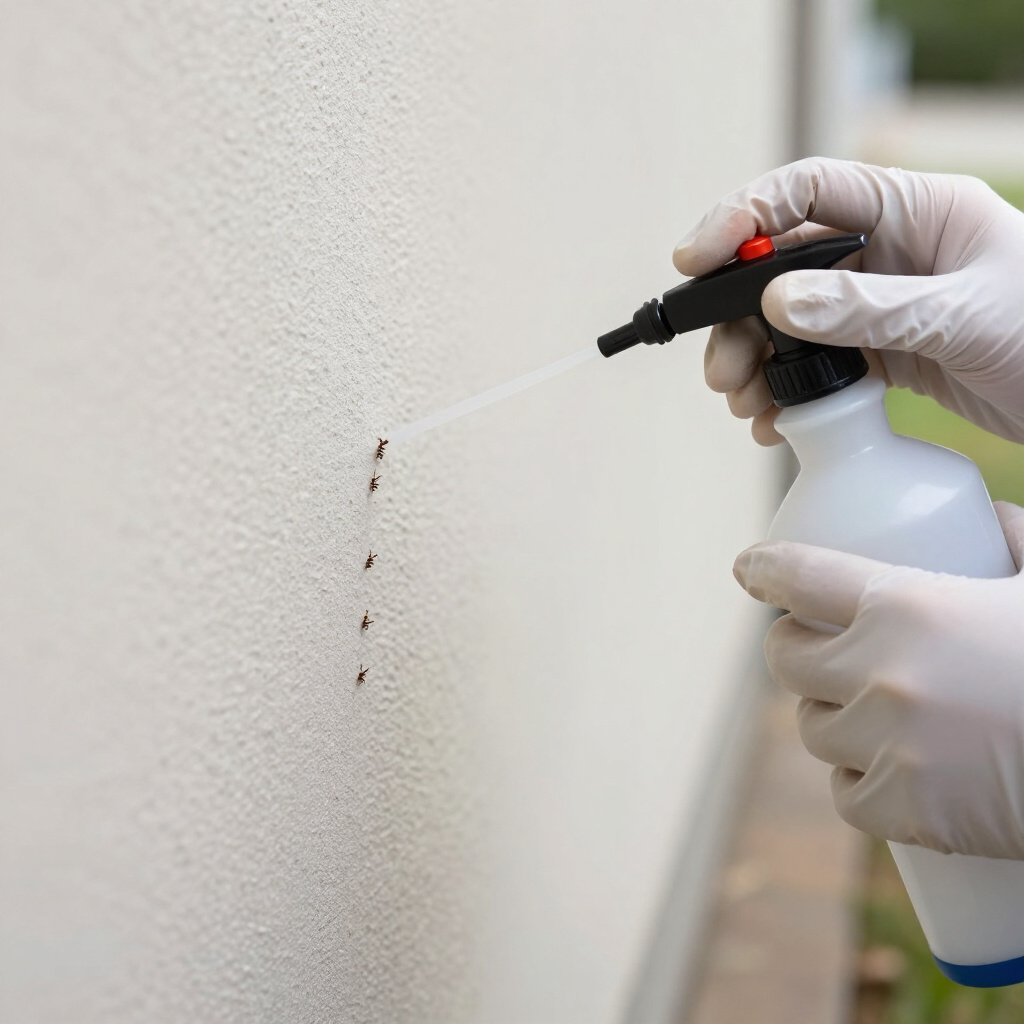
Don't disturb suspected activity. If you find mud tubes or other signs, avoid breaking them open or spraying with over-the-counter insecticides. This can scatter the colony and make professional treatment more difficult. Instead, call a licensed pest control company for proper identification and treatment.
Know the difference between termites and ants. Winged termites and winged ants look similar during swarming season. Termites have straight antennae, a thick waist, and equal-length wings. Ants have elbowed antennae, a pinched waist, and longer front wings. If you're unsure, capture a sample for professional identification.
Final Thoughts
Recognizing the signs you may have termites is one of the most valuable skills a homeowner can develop. These destructive pests work quietly and efficiently, but they cannot hide all evidence of their presence forever. Regular inspections, smart moisture management, and prompt professional response at the first warning sign will protect both your home's structural integrity and your financial peace of mind.
If you've noticed any of the warning signs discussed here—or simply want the confidence of a clean bill of health—contact a local pest control professional for a thorough termite inspection. The sooner you identify a problem, the simpler and more affordable the solution will be.