Some pests are a nuisance you can handle with a trap or a quick trip to the hardware store. Others are a warning sign that something bigger is hiding in your walls, your foundation, or your crawl space. Knowing the difference can save you time, money, and a lot of frustration. Here's how to tell when it's time to stop trying DIY methods and call in someone who does this for a living.
When to Call a Pest Control Professional: The Clear Warning Signs
Certain situations make the decision easy. If you're seeing any of the following, pick up the phone.
Recurring sightings despite your efforts. You set traps. You sealed the food. You cleaned every corner. And still, you're finding droppings, chewed packaging, or live pests. This usually means the nest or colony is established somewhere you can't reach, and surface-level fixes won't touch it.
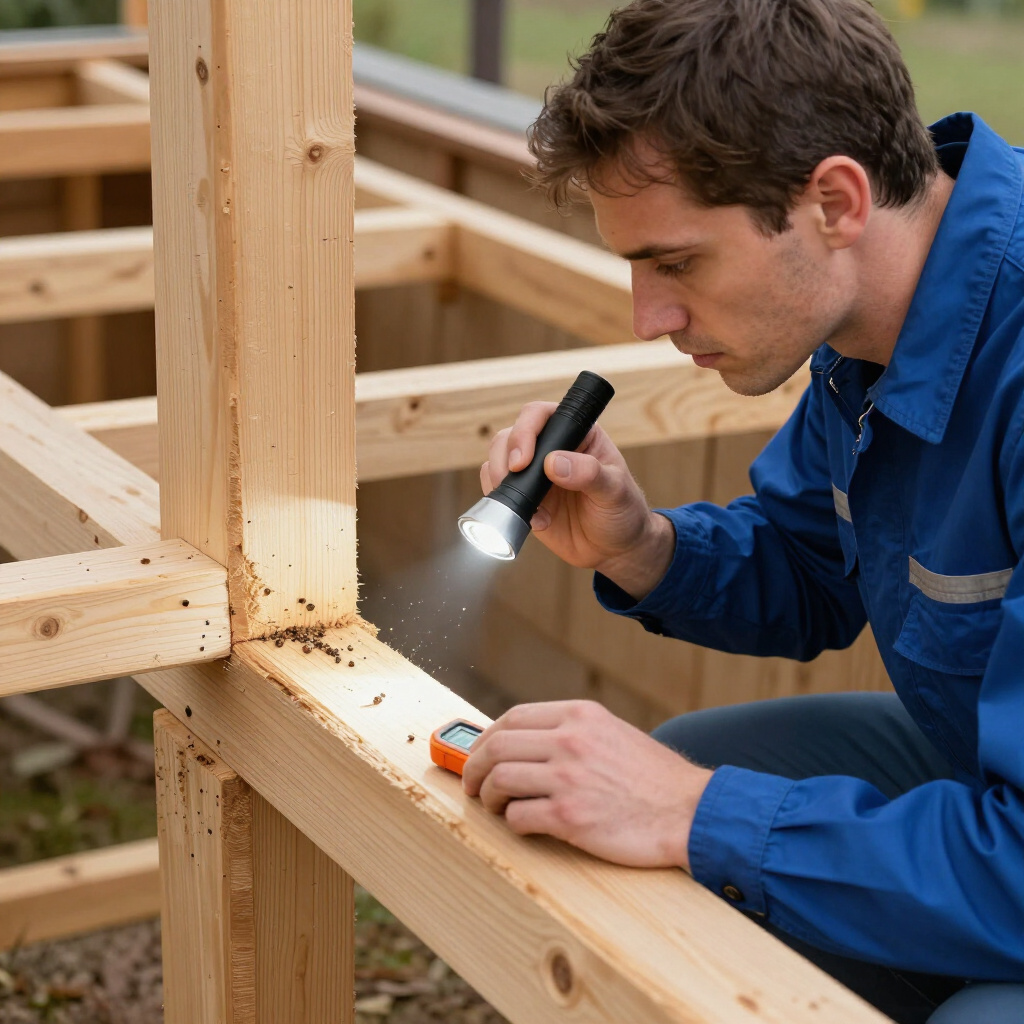
Signs of structural damage. Termites leave behind hollow-sounding wood, mud tubes along foundations, and discarded wings. Carpenter ants push out fine sawdust from their galleries. Rodents gnaw on wires, insulation, and even PVC piping. Once pests start compromising your home's structure or creating fire hazards, the stakes are too high for guesswork.
Unexplained odors or sounds. A persistent musty smell in a specific area can indicate a hidden rodent nest or a large cockroach population. Scratching in walls at night, especially after dusk, almost always means mice, rats, or squirrels have found a way in. These are problems that grow exponentially if ignored.
Stinging insects near entry points. Wasps, hornets, and yellow jackets building nests in wall voids, eaves, or underground are dangerous to remove without proper equipment. Multiple nests or aggressive behavior around your home are definite signals to call a pest control professional.
Pests That Demand Immediate Professional Attention
Some species simply aren't suitable for DIY management, either because of the risk they pose or the complexity of eliminating them.
Bed bugs are the classic example. They're tiny, they hide in impossible places, and they've developed resistance to many over-the-counter insecticides. A single missed egg can restart the entire infestation. Heat treatment and targeted insecticide applications require specialized equipment and training.
Termites work silently and can cause thousands in damage before you notice a problem. Annual inspections by qualified technicians are standard in termite-prone regions, and active infestations need professional-grade bait systems or soil treatments.
German cockroaches reproduce faster than most homeowners can keep up with. They spread bacteria, trigger allergies, and develop resistance quickly. Professional pest control professionals use integrated approaches combining baits, growth regulators, and targeted applications that actually break the cycle.
Wildlife intrusions like raccoons in attics, bats in chimneys, or skunks under decks require exclusion techniques that protect both the animal and your property. In many areas, improper handling violates wildlife regulations. Professionals know the legal requirements and have the tools for humane, effective removal.
When DIY Becomes More Expensive Than Professional Help
There's a point where repeated store-bought solutions cost more than hiring an expert from the start. Consider calling a professional when:
You've already spent significantly on sprays, traps, and baits without results. The cumulative cost adds up, and you're no closer to solving the root problem.
The pest issue is affecting your health or your family's wellbeing. Asthma triggered by cockroach allergens, sleep loss from bed bugs, or anxiety from constant rodent activity are all valid reasons to escalate your response.
You're dealing with a multi-unit building or commercial property. Pests move between units, and uncoordinated treatment efforts often fail. Professional coordination ensures comprehensive coverage.
You're preparing to sell your home. Many buyers request pest inspections, and documented professional treatment history protects your sale price and prevents last-minute surprises.
What to Expect When You Call
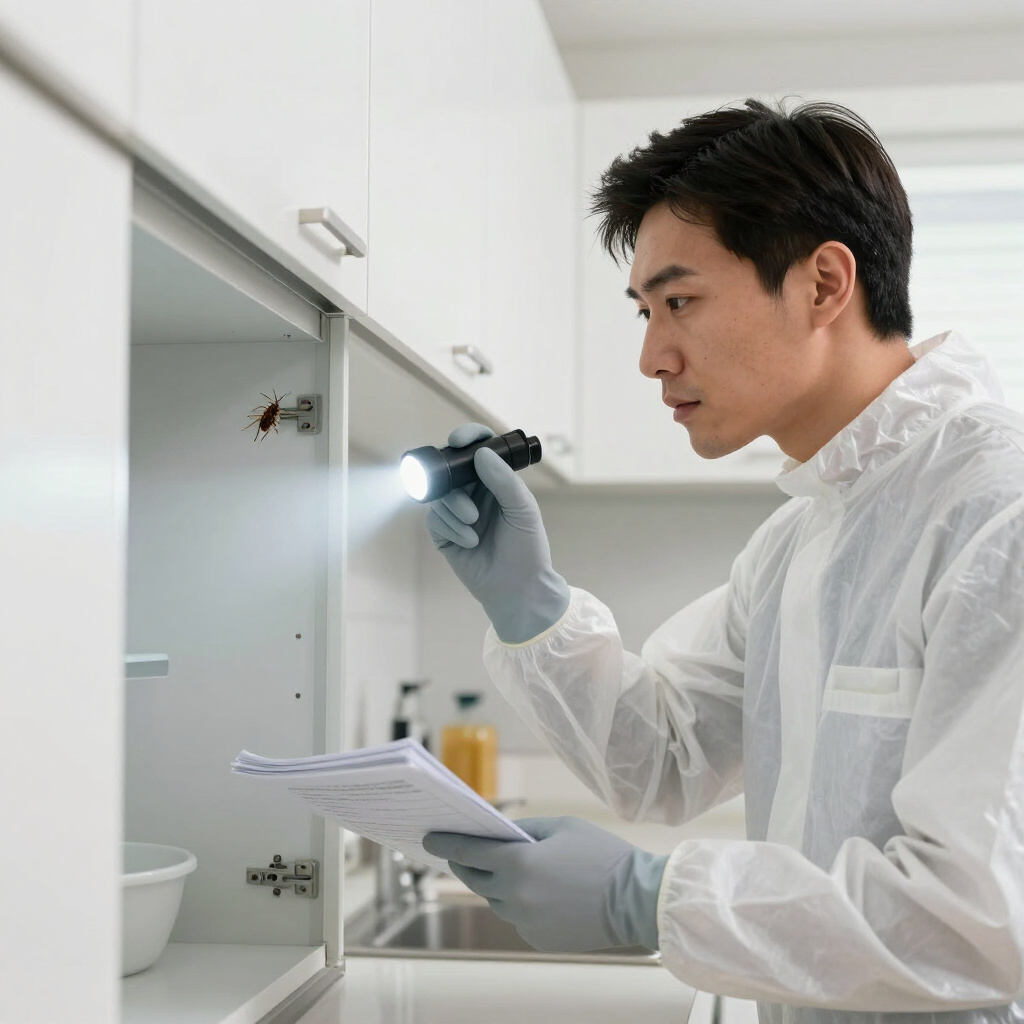
A reputable pest control professional will start with inspection and identification, not a one-size-fits-all spray. They should explain what they're finding, outline treatment options with clear pricing, and discuss prevention strategies for after the active problem is resolved. Look for licensing, insurance, and willingness to answer your questions about safety, especially if you have children, pets, or health concerns.
Follow-up visits and guarantees matter too. The best professionals don't just treat and disappear—they verify the problem is actually solved and help you understand how to keep it from returning.
Key Tips for Prevention Between Visits
Even after professional treatment, your habits make a difference. Store dry goods in sealed containers, address moisture issues promptly, seal exterior cracks and gaps with appropriate materials, and keep landscaping trimmed back from your foundation. Regular gutter cleaning and proper firewood storage away from your home also remove conditions that attract pests in the first place.
If you live in an area with seasonal pest pressure, consider scheduling preventive inspections. Catching problems before they establish is always easier and less costly than responding to a full-blown infestation.
Final Thoughts
Knowing when to call a pest control professional comes down to honesty about what you're facing. A single ant on the counter isn't an emergency. But ongoing activity, structural concerns, health risks, or pests that outmatch standard solutions are all clear indicators that expertise is warranted. The right professional doesn't just eliminate what's visible—they find the source, treat it effectively, and help you protect your home going forward. When your peace of mind and your property are on the line, that's an investment worth making.