

Pest Control Services in Mead, CO
Mead, Colorado sits in the rolling plains of southern Weld County, with properties that blend agricultural heritage with growing residential development. This unique landscape creates specific pest pressures that differ from more urbanized areas along the Front Range. Homes near the St. Vrain River and surrounding irrigation ditches contend with elevated moisture that attracts mosquitoes, while the mix of open fields and established neighborhoods draws rodents, field mice, and voles seeking shelter as seasons change.
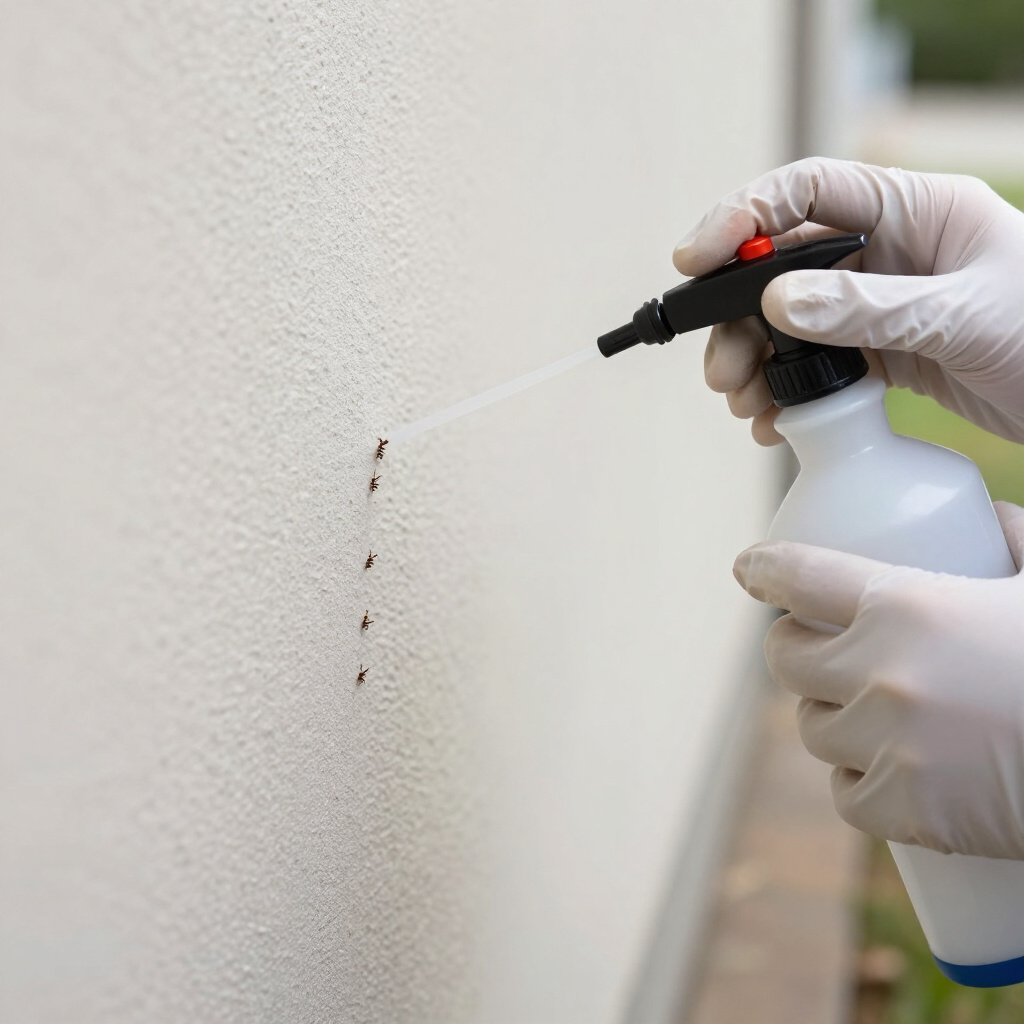
The semi-rural character of Mead means pest issues often arrive from adjacent agricultural land. Ant colonies establish extensive networks across properties, with pavement ants and carpenter ants particularly active during spring swarming season. Spiders including orb-weavers, wolf spiders, and occasional black widows thrive in outbuildings, barns, and basements where conditions stay undisturbed. For homeowners with livestock or hobby farms, fly control and stored product pest management become ongoing concerns through warmer months.
Seasonal patterns in Mead follow predictable cycles that inform effective treatment timing. Winter drives rodents indoors as temperatures drop, with house mice and Norway rats exploiting even quarter-inch gaps in foundations and utility penetrations. Spring brings termite swarmers, boxelder bugs, and early wasp queen activity. Summer peaks with mosquito breeding, yellow jacket nest expansion, and spider population surges. Fall triggers invasions of cluster flies, lady beetles, and stink bugs seeking overwintering harborage.
Professional pest management in this area requires understanding both residential and agricultural-adjacent pest ecology. Treatment approaches must account for well water considerations, livestock proximity, and the larger property footprints typical of Mead homes. Integrated pest management strategies emphasize perimeter defense, harborage reduction, and targeted applications rather than blanket chemical treatments.
Common Pest Questions for Mead Homeowners
What pests are most problematic in Mead compared to nearby Colorado cities?
Mead's semi-rural setting creates distinct pest pressures. Voles and field mice cause more landscape and structural damage here than in denser suburbs, often tunneling through ornamental plantings and garden areas. Agricultural-adjacent properties see higher fly populations and occasional grain beetle issues. The St. Vrain corridor produces significant mosquito breeding, while prairie rattlesnakes, though uncommon, warrant awareness for properties bordering open range. Spider diversity is notably higher in outbuildings and less-trafficked structures.
How does well water affect pest control treatment options?
Many Mead properties rely on private wells, requiring careful product selection and application methods. Reputable pest control providers use formulations with favorable environmental profiles, avoid broadcast treatments near wellheads, and maintain setback distances specified on product labels. Bait-based strategies for ants and rodents reduce overall chemical use. Termite treatments may utilize bait station systems rather than soil-applied termiticides when wells are nearby. Always inform your technician about well location and depth before service.
When should Mead residents schedule preventive pest services?
Timing varies by pest target. Rodent-proofing and interior inspections prove most valuable in September before cold weather drives populations indoors. Perimeter ant and spider treatments work best in April-May as soil temperatures rise and overwintering pests become active. Mosquito reduction programs should begin by late May, with monthly surveillance through September. Wasp nest prevention requires early spring queen suppression before colonies establish. For comprehensive protection, quarterly service visits aligned with these seasonal transitions provide consistent coverage throughout the year.