

How to Choose a Pest Control Professional in Silverthorne
Finding the right pest control provider in Silverthorne means understanding the unique challenges of mountain living at 8,730 feet. Summit County's high-altitude environment, heavy snowfall, and proximity to national forest land create pest pressures unlike those in lower-elevation Front Range communities.
When evaluating local professionals, prioritize companies with specific experience in Colorado's mountain corridors. Ask whether technicians are familiar with summit county pest behavior patterns, including how rodents seek shelter during extended winter periods and how moisture-loving insects thrive during brief, intense summers. Proper licensing through the Colorado Department of Agriculture is mandatory—verify current credentials before scheduling service.
Look for providers offering year-round protection plans. Silverthorne's seasonal extremes mean pest activity fluctuates dramatically: mice and voles invade structures October through April, while ants, wasps, and occasional boxelder bugs emerge during warmer months. A knowledgeable company will adjust treatment protocols rather than apply identical programs across all seasons.
Consider response time carefully. With I-70 serving as the primary access route, weather-related delays are common. Choose a provider with established local operations rather than dispatching technicians from Denver or Grand Junction, ensuring faster emergency service when voles damage landscaping or rodents infiltrate vacation properties between guest stays.
What to Expect from Pest Control Services in Silverthorne
Initial consultations typically begin with a thorough exterior and interior inspection. Technicians examine foundation gaps, utility entry points, soffit vents, and garage door seals—common intrusion pathways given Silverthorne's freeze-thaw cycles that gradually compromise building envelopes. Expect documentation of conducive conditions, from woodpiles stacked against structures to standing water from snowmelt drainage issues.
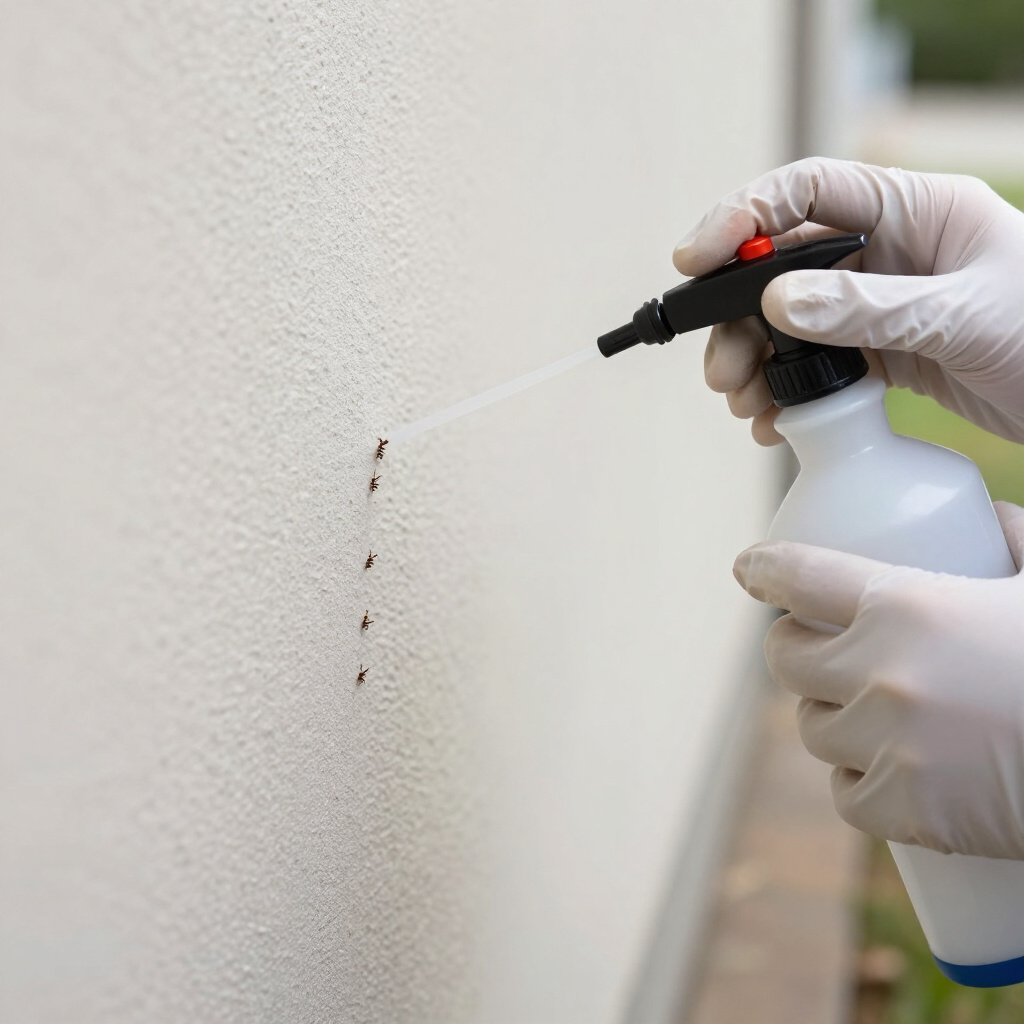
Treatment implementation varies by pest type and season. Exterior perimeter applications create protective barriers during active months, while interior baiting and exclusion work address established infestations. Integrated Pest Management (IPM) approaches emphasize mechanical solutions—sealing, trapping, habitat modification—before chemical interventions, particularly important for homes near Blue River tributaries where runoff sensitivity exists.
Follow-up scheduling reflects Summit County's compressed active season. Most residential programs include quarterly service visits, with additional winter inspections recommended for unoccupied second homes. Commercial properties near the Outlets at Silverthorne or along Highway 6 typically require monthly maintenance during peak visitor periods.
Available Pest Control Services
Silverthorne residents and property managers can access comprehensive pest management solutions tailored to mountain environments:
- Rodent Control: Mice, voles, and pocket gophers represent the most persistent threats. Programs combine exterior bait stations, interior trapping, and structural exclusion to break infestation cycles.
- Insect Management: Carpenter ants, pavement ants, wasps, yellowjackets, and occasional spider issues require species-specific approaches. Bed bug treatments utilize heat remediation given transportation patterns of resort-area guests.
- Wildlife Deterrence: Skunks, raccoons, and occasionally bats require humane removal compliant with Colorado Parks and Wildlife regulations. Professionals handle permitting and relocation protocols.
- Preventative Exclusion: Structural sealing, vent screening, and door sweep installation prevent pests before they establish. Particularly valuable for seasonal residences left vacant for extended periods.
- Commercial Programs: Restaurants, lodging properties, and retail spaces near Silverthorne's commercial corridors require documented pest management plans satisfying health department and brand compliance standards.
Many providers offer specialized vacation home monitoring, combining pest service with property checks during owner absences—critical given how quickly undetected rodent activity causes structural damage in unoccupied mountain residences.
Frequently Asked Questions
What pests are most common in Silverthorne compared to lower-elevation Colorado towns?
Voles and pocket gophers cause more landscape damage here than in urban Front Range areas, while subterranean termites are virtually absent at this altitude. Rodent pressure intensifies during long winters when natural food sources remain buried under snow. Spider diversity increases in undisturbed mountain terrain adjacent to developed areas.
How does Silverthorne's vacation rental market affect pest control needs?
High turnover in short-term rentals introduces bed bug risk through guest luggage and increases likelihood of food-source pests when sanitation lapses between stays. Property management companies often require more frequent service intervals and detailed documentation for owner reporting. Unoccupied periods also allow undetected infestations to escalate.
Are pest control treatments safe for pets and local wildlife?
Reputable providers use targeted application methods minimizing non-target exposure. Exterior bait stations are tamper-resistant and secured. Interior treatments focus on crack-and-crevice applications rather than broadcast spraying. Always discuss specific pet concerns during consultation, particularly for households with free-ranging cats or dogs with outdoor kennel access.
When should Silverthorne homeowners schedule preventative service?
September through October represents critical timing for winter rodent exclusion before sustained cold drives pests indoors. April inspections identify winter damage to structures and prepare for summer insect activity. However, year-round programs provide most consistent protection given elevation-driven pest pressure variations.
Do I need different pest control for a second home that's often unoccupied?
Unoccupied properties benefit significantly from specialized monitoring programs. Rodents, in particular, exploit quiet structures for undisturbed nesting. Consider services combining pest management with periodic property inspections checking for water leaks, storm damage, or other maintenance issues that create pest-conducive conditions.