

How to Choose a Pest Control Professional in Aspen
Finding the right pest control provider in Aspen means looking beyond basic extermination. Pitkin County's mountain environment creates unique challenges—cold winters drive rodents indoors, while summer months bring ants, wasps, and occasional wildlife conflicts. The right professional understands these seasonal patterns and how altitude affects pest behavior.
First, verify licensing through the Colorado Department of Agriculture. Any company applying pesticides commercially must hold proper credentials. Ask specifically about experience with high-elevation properties, as Aspen's 8,000-foot elevation changes how certain treatments work and which pests thrive.
Look for integrated pest management (IPM) approaches. Given Aspen's proximity to wilderness areas and the community's environmental values, you'll want providers who minimize chemical use, emphasize exclusion and prevention, and can explain their treatment choices clearly. Request references from comparable properties—historic homes in the West End face different issues than modern condos near the base of Aspen Mountain.
Finally, confirm response capabilities. Winter rodent emergencies and summer wasp nest removals both demand prompt attention. Ask about weekend or after-hours availability, particularly if you manage a rental property or second home from out of state.
What to Expect from Pest Control Services in Aspen
Your first service typically begins with a thorough inspection. Technicians examine entry points, moisture conditions, landscaping that touches structures, and signs of current or past activity. In Aspen, they'll pay special attention to stone foundations common in older properties, crawl spaces vulnerable to cold-weather intrusion, and decks or outdoor living areas where wasps and ants establish nests.
After assessment, you'll receive a customized plan. This should detail target pests, treatment methods, timeline, and what preparation you need to handle—removing pet food, clearing storage areas, or temporarily vacating during certain applications. For ongoing issues like voles damaging landscaping or pocket gophers in lawns, multiple visits across seasons may be necessary.
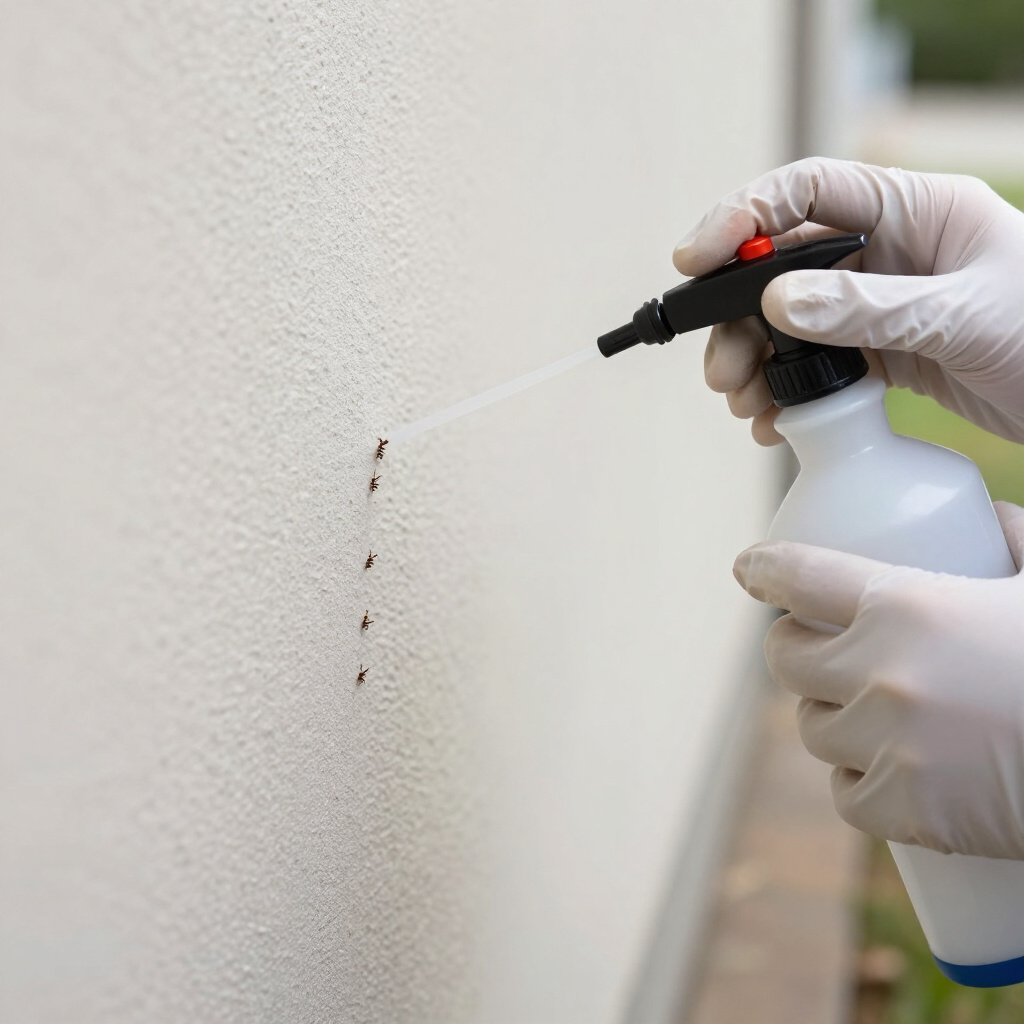
Treatment execution varies by pest. Rodent control emphasizes sealing entry points with rodent-proof materials (not foam, which they chew through), strategic trapping, and monitoring. Insect treatments may involve targeted applications, bait stations, or physical removal of nests. Wildlife conflicts—bats in attics, raccoons under decks—require specialized handling, sometimes with Colorado Parks and Wildlife coordination.
Follow-up matters. Quality providers schedule return visits to check traps, assess treatment effectiveness, and adjust strategies. Ask whether your service includes unlimited callbacks between scheduled visits—particularly valuable during peak pest seasons.
Available Pest Control Services
Aspen residents and property managers can access comprehensive pest management spanning common mountain-area concerns. Here's what's typically available:
- Rodent control — mice, rats, and vole management with exclusion work and population reduction
- Insect treatments — ants, spiders, wasps, hornets, and occasional invaders like boxelder bugs
- Wildlife management — humane removal and exclusion for bats, raccoons, skunks, and squirrels
- Preventive services — seasonal inspections, perimeter treatments, and ongoing monitoring programs
- Commercial pest control — tailored programs for restaurants, hotels, retail, and office spaces
- Vacation home services — periodic inspections and maintenance for properties left unoccupied
Many providers also offer specialized treatments for bed bugs, though these require distinct expertise and preparation. Termite activity is limited in Pitkin County compared to warmer climates, but wood-destroying organism inspections remain available for real estate transactions.
Frequently Asked Questions
What pests are most common in Aspen?
Voles, mice, and ants top the list year-round. Wasps and yellowjackets peak in late summer. Occasional wildlife intrusions include bats, raccoons, and pine squirrels seeking shelter.
How does altitude affect pest control treatments?
Some chemicals evaporate or degrade differently at 8,000+ feet. Experienced local technicians adjust application rates and methods accordingly, and may select products specifically formulated for mountain climates.
Are pest control treatments safe for pets and wildlife?
Reputable providers use targeted, low-toxicity options and place baits in secured stations inaccessible to non-target animals. Always discuss pet safety protocols before treatment, especially if you have free-roaming cats or dogs.
How quickly can I get service for an emergency?
Most Aspen-area providers offer same-day or next-day response for urgent issues like wasp nests near entryways or active rodent infestations. Winter storms may occasionally delay travel to more remote properties.