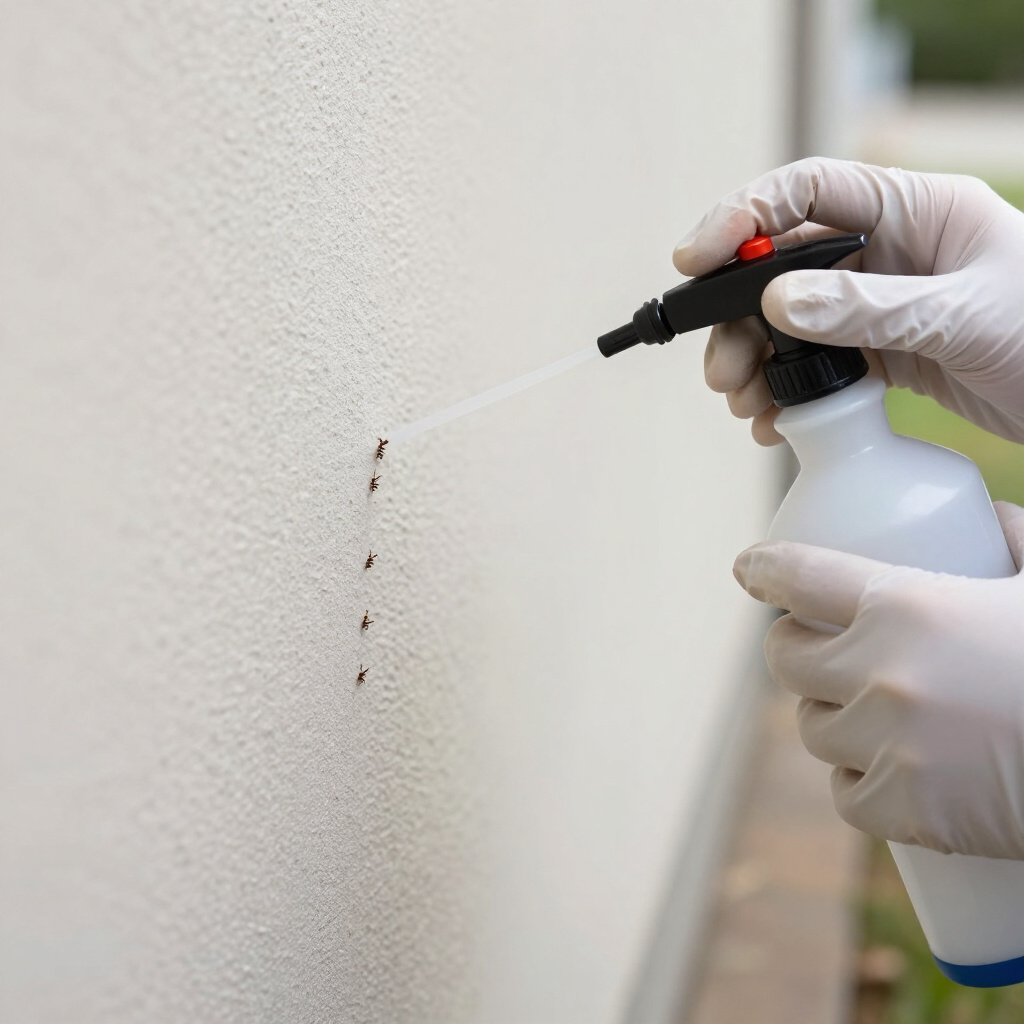


Professional Pest Control Services in Glenwood Springs
Glenwood Springs sits at the confluence of the Colorado and Roaring Fork Rivers, surrounded by rugged canyon walls and dense piñon-juniper woodlands. This dramatic mountain setting creates ideal conditions for pests that thrive in the transition zone between high desert and alpine environments. Homeowners in Garfield County contend with unique seasonal pressures: spring ant swarms, summer wasp and yellowjacket activity, fall rodent migrations seeking winter shelter, and year-round spider populations drawn to the area's rocky outcroppings.
Local pest pressures intensify where the urban corridor meets wildland interface. Properties near the Glenwood Canyon Trail, Red Mountain, or the higher elevations of South Glenwood experience more frequent wildlife and insect intrusions. Effective pest management here requires understanding elevation-specific behaviors, seasonal migration patterns through the I-70 corridor, and the moisture dynamics of riverfront properties versus hillside homes.
Our Pest Control Services in Glenwood Springs
We provide comprehensive pest solutions tailored to Garfield County's mountain environment:
- Rodent Control & Exclusion: Mice and rats exploit Glenwood Springs' older downtown buildings and seek refuge in basements and crawl spaces when temperatures drop. Our sealing programs target entry points common in Victorian-era homes and modern mountain construction alike.
- Stinging Insect Management: Paper wasps, yellowjackets, and bald-faced hornets nest under eaves, in attics, and along riverfront vegetation. We remove active nests and implement preventive treatments before peak summer activity.
- Ant & Spider Programs: Pavement ants, carpenter ants, and odorous house ants trail through Glenwood's neighborhoods. Hobo spiders, wolf spiders, and black widows favor dry, sheltered areas around foundations and in storage spaces.
- Bed Bug Treatments: Tourism-driven turnover in hotels, vacation rentals, and guest lodgings requires discreet, thorough elimination protocols with minimal disruption to operations.
- Wildlife & Occasional Invaders: Bats in attics, skunks under decks, and voles damaging irrigated landscaping demand humane removal strategies compliant with Colorado Parks & Wildlife regulations.
- Commercial Pest Management: Restaurants along Grand Avenue, lodging properties, healthcare facilities, and retail spaces receive customized programs with documentation for health department compliance.
What to Expect: Pest Control Costs in Glenwood Springs
Pricing reflects the specific challenges of mountain pest management. Initial inspections typically range from $75–150, with treatment programs scaled to property conditions. Standard quarterly residential service for a typical Glenwood Springs home generally falls between $400–600 annually, covering seasonal transitions and preventive perimeter barriers.
Active infestations requiring intensive intervention—rodent exclusion with structural sealing, multi-visit ant colony elimination, or bed bug heat treatment—run higher based on square footage and severity. Commercial accounts in the hospitality sector receive customized quotes factoring in guest room counts, kitchen facilities, and inspection frequency requirements. Riverfront properties and homes backing against BLM or National Forest land often need expanded perimeter protocols, which adjust base pricing moderately.
We provide detailed written estimates before any treatment begins, with no obligation consultations available throughout Garfield County.
Areas We Serve in and Around Glenwood Springs
Our service territory covers Glenwood Springs proper and surrounding communities throughout the Roaring Fork and Colorado River valleys:
- Historic Downtown Glenwood: Grid-pattern neighborhoods, mixed-use buildings, and established residential blocks with mature landscaping and aging infrastructure.
- South Glenwood & Glenwood Meadows: Newer subdivisions, retail corridors, and hillside homes with expansive valley views and increased wildlife exposure.
- West Glenwood & Airport Road: Industrial and commercial zones, plus residential areas transitioning toward the canyon mouth with distinct microclimates.
- No Name & Glenwood Canyon: Canyon-adjacent properties with concentrated insect pressure and limited access requiring specialized scheduling.
- Nearby Garfield County Communities: We regularly travel to service properties throughout the region.
Frequently Asked Questions
What pests are most problematic in Glenwood Springs compared to other Colorado mountain towns?
The river confluence and hot springs create localized humidity that supports more robust spider and ant populations than drier high-elevation communities. The I-70 corridor also facilitates faster spread of invasive species like spotted lanternfly and certain ant varieties. Rodent pressure exceeds typical Front Range levels due to milder winters in the valley bottom combined with abundant natural food sources.
How does elevation affect pest control treatments in Glenwood Springs?
At approximately 5,700 feet, Glenwood Springs sits lower than Aspen or Eagle, extending the active season for many insects. However, rapid elevation changes within minutes of downtown mean nearby properties at 7,000+ feet require adjusted application rates and timing. We calibrate treatments based on specific property elevation, sun exposure, and microclimate conditions rather than using uniform protocols.
Are pest control treatments safe near the hot springs and river areas?
Yes. We prioritize reduced-risk products and targeted application methods that minimize environmental impact around water features. Buffer zones, granular alternatives to liquid sprays near runoff areas, and precise crack-and-crevice treatments protect the Colorado River watershed and local geothermal systems while maintaining effective pest barriers.
How quickly can you respond to pest emergencies in Glenwood Springs?
We maintain regular service routes through Garfield County and can typically schedule standard appointments within 2–3 business days. Urgent situations—aggressive wasp nests, active rodent infestations, or bed bug confirmations in lodging properties—receive prioritized scheduling, often same-day or next-day depending on location and severity.