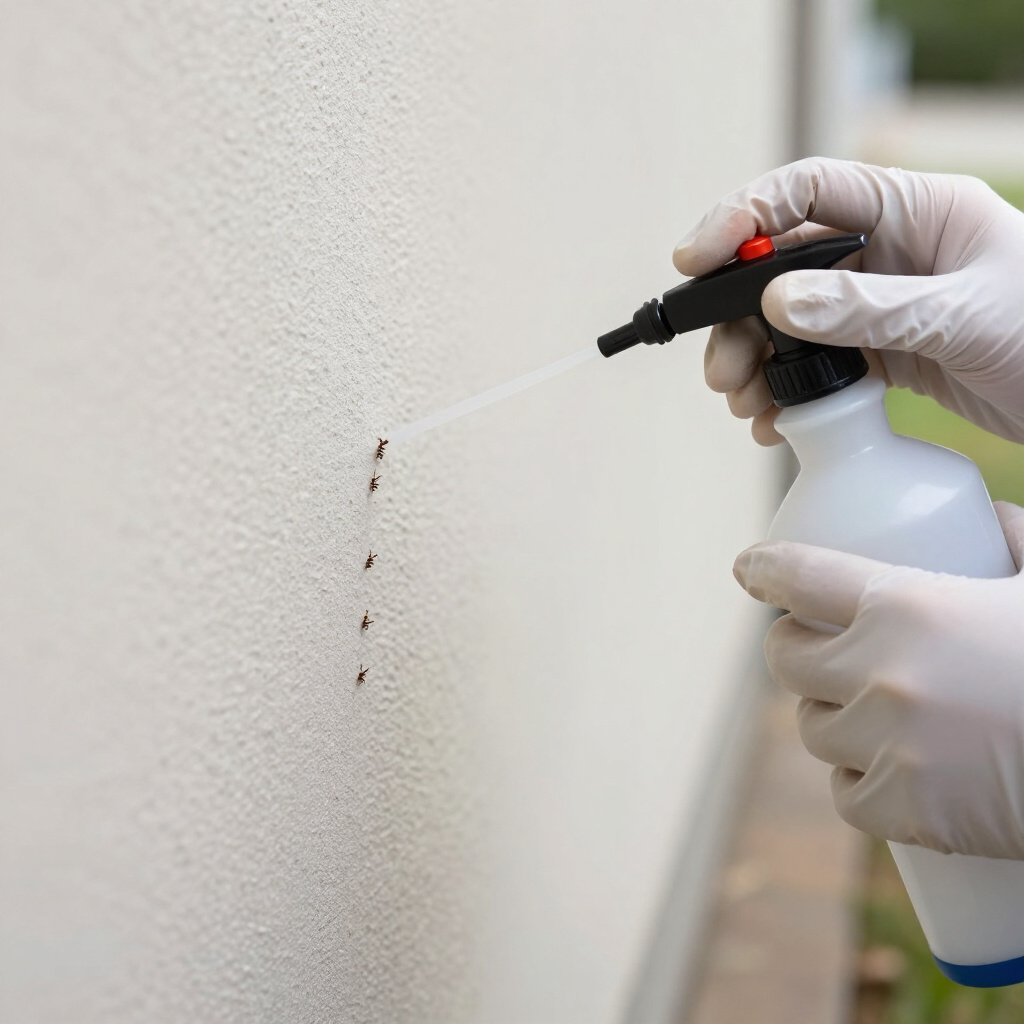


How to Choose a Pest Control Professional in Denver
Finding the right pest control provider in Denver County requires understanding the unique challenges of the Mile High City's climate and urban environment. Denver's semi-arid conditions, dramatic temperature swings, and mix of historic and modern neighborhoods create specific pest pressures that demand local expertise.
Start by verifying Colorado Department of Agriculture licensure. All pest control operators in Denver County must carry proper credentials, including appropriate classifications for the pests you're targeting. Ask about their experience with Denver-specific issues: prairie rattlesnakes in foothill-adjacent areas, subterranean termites in older Park Hill or Capitol Hill homes, or voles damaging lawns in Stapleton and Wash Park.
Request proof of insurance and bonding. Reputable Denver companies carry general liability and workers' compensation coverage. Inquire about their integrated pest management (IPM) approach—Denver's water conservation efforts and environmental consciousness make low-chemical or targeted treatments increasingly important. Companies familiar with Colorado's pesticide regulations will prioritize methods compliant with state and local guidelines.
Check familiarity with Denver's municipal codes. Some neighborhoods have specific requirements regarding treatment notification, particularly in multi-unit buildings common in LoDo, RiNo, and Capitol Hill. A local professional understands permit requirements for structural fumigation and knows when Denver County health department notification is necessary.
What to Expect from Pest Control Services in Denver
Initial service typically begins with a comprehensive property inspection. In Denver, this means examining foundation perimeters for ant trails, checking crawl spaces and basements for moisture-seeking pests, and assessing rooflines and eaves where wasps and boxelder bugs congregate. Inspectors note construction type—Denver's historic brick homes present different entry points than newer suburban builds in Green Valley Ranch or Montbello.
Your technician will identify active infestations, conducive conditions, and potential entry points. Denver's freeze-thaw cycles create foundation cracks that serve as rodent highways; experienced inspectors know to check these carefully. You'll receive a treatment plan detailing methods, products, frequency, and pricing.
Treatment execution varies by pest and season. Spring services often target emerging ants, boxelder bugs, and wasp queens. Summer focuses on sustained ant management, spider control, and occasional invaders seeking moisture. Fall brings rodent proofing as temperatures drop and mice seek shelter. Winter services address persistent indoor pests and prepare for spring activity.
Follow-up scheduling depends on your plan. Many Denver properties benefit from quarterly maintenance given the city's extended pest season—mild winters mean pest activity rarely ceases entirely. Your provider should offer service guarantees and return visit policies for persistent problems.
Available Pest Control Services
Denver residents can access comprehensive pest management across residential and commercial settings. Common services include:
- General pest control — Ants, spiders, wasps, boxelder bugs, and occasional invaders
- Rodent management — Mice and rat exclusion, trapping, and population control
- Termite inspection and treatment — Pre-purchase inspections, subterranean termite baiting and liquid barriers
- Bed bug elimination — Heat treatment and conventional chemical protocols
- Wildlife control — Humane removal of raccoons, squirrels, skunks, and bats with proper licensing
- Mosquito reduction — Seasonal breeding site management and barrier treatments
- Bird control — Exclusion and deterrent installation for pigeons and other nuisance birds
- Commercial pest management — Customized programs for restaurants, warehouses, healthcare, and hospitality
- Real estate inspections — VA/FHA-compliant wood-destroying organism reports
Many Denver providers offer eco-conscious options including botanical-based products, reduced-risk pesticides, and exclusion-focused strategies that minimize chemical application. Ask about GreenPro or similar certifications if environmental impact influences your decision.
Frequently Asked Questions
What pests are most common in Denver homes?
Ants (particularly odorous house ants and pavement ants), spiders, wasps, boxelder bugs, and mice dominate Denver pest complaints. Voles damage lawns extensively, while subterranean termites threaten older structures. Seasonal surges include miller moths in late spring and cluster flies in fall.
How often should Denver properties receive pest control service?
Most Denver homes benefit from quarterly preventive service due to the city's mild winters and extended active pest seasons. Properties with historic construction, adjacent to greenbelts or parks, or with previous infestations may require monthly service initially. Your technician can recommend frequency based on your specific situation.
Are pest control treatments safe for pets and children?
Licensed Denver providers use EPA-registered products applied according to label directions, with safety protocols that minimize risk to families and pets. Many offer low-toxicity or natural options. Reputable companies provide pre-treatment preparation instructions and post-treatment re-entry guidelines specific to products used.