

Pest Control Services in Cherry Hills Village, CO
Cherry Hills Village sits among mature cottonwoods and sprawling estates in Denver County, where generous lot sizes and proximity to the High Line Canal create ideal conditions for pests to thrive. Residents here face distinct challenges that differ from denser Denver neighborhoods—larger properties mean more perimeter to defend, established tree canopies attract wood-boring insects, and irrigation systems draw everything from mosquitoes to voles seeking moisture and shelter.
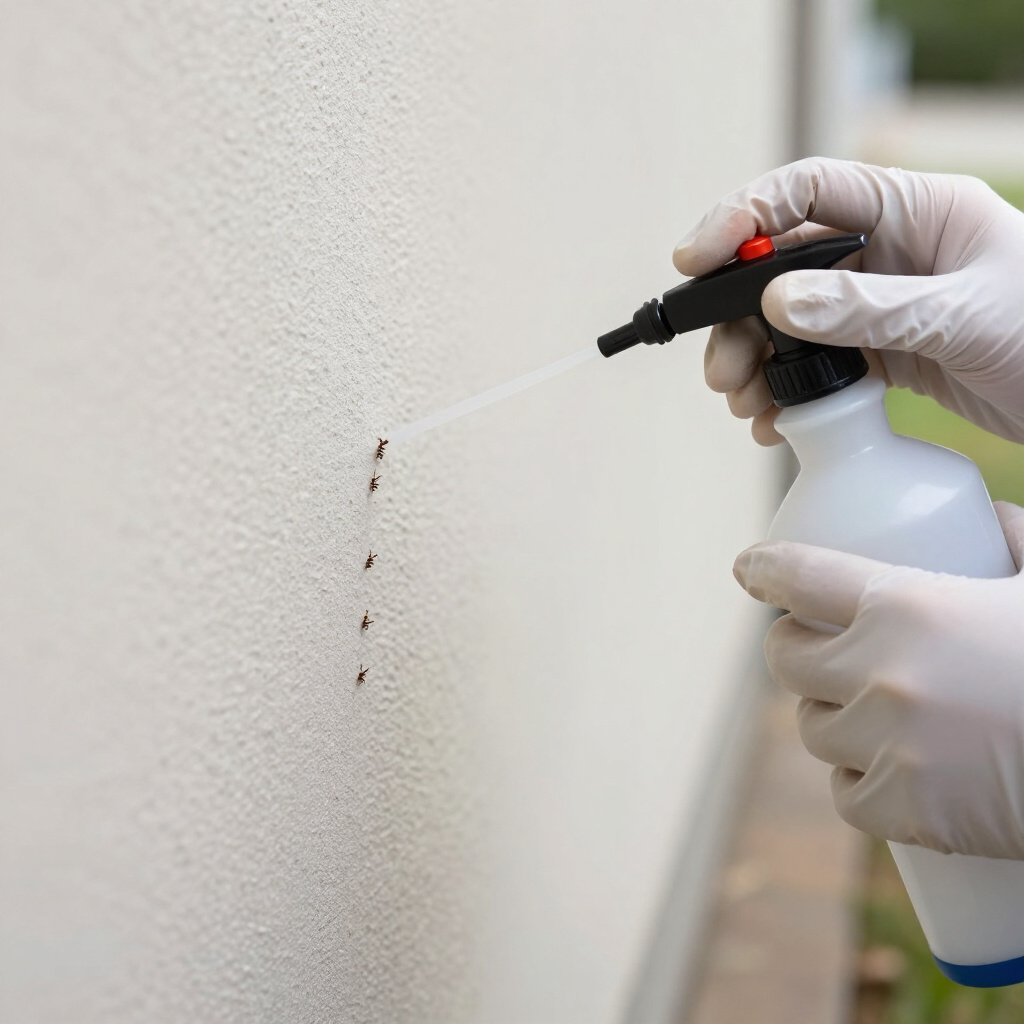
Our technicians understand the unique pressures of this community. We route service vehicles through the Village's winding roads regularly, tracking seasonal patterns specific to this microclimate. Spring brings boxelder bugs clustering on south-facing stone facades. Mid-summer ant colonies exploit expansion joints in ranch-style foundations. As temperatures drop, mice follow the scent of horse stables and heated garages along the eastern edge near Cherry Hills Country Club.
We structure treatments around your property's characteristics rather than applying blanket protocols. Equestrian facilities require different tick and fly management than mid-century modern homes tucked against the High Line Canal trail. Homes with English gardens and water features need proactive mosquito larviciding starting in April, while properties backing to open space face ongoing spider and snake pressure from displaced wildlife corridors.
Every service plan includes exterior foundation treatment, targeted harborage reduction, and monitoring for structural pests like termites and carpenter ants that threaten the area's significant timber-frame construction. We coordinate with your landscaping teams when needed and schedule around the community's events calendar, including tournament weeks at the country club when traffic patterns shift.
Common Questions About Pest Control in Cherry Hills Village
What pests are most problematic in Cherry Hills Village compared to other Denver suburbs?
The combination of large lots, mature vegetation, and water features makes voles, mosquitoes, and wood-destroying insects particularly prevalent here. Voles tunnel through irrigated lawns at higher rates than in typical suburban developments. Mosquitoes breed in ornamental ponds, drainage swales, and the High Line Canal corridor. Carpenter ants and powderpost beetles target the area's extensive use of natural wood siding and exposed timber framing.
How do large property sizes affect pest control service?
Standard perimeter treatments rarely suffice for Cherry Hills Village estates. We calculate buffer zones based on actual property lines, not just structure footprints. This often means extending granular barriers to outbuildings, treating detached garages and pool houses, and placing additional monitoring stations along fence lines where rodents travel. Service times run longer, but the coverage matches your actual exposure rather than a generic suburban template.
Are the pesticides used safe for horses and other livestock?
Properties with equestrian facilities receive modified protocols. We exclude organophosphates and carbamates from barn-adjacent applications, preferring pyrethrin-based products with shorter environmental persistence in paddock areas. Fly control around stables relies heavily on biological larvicides and physical traps rather than broadcast spraying. We coordinate application timing with your feeding and turnout schedules to eliminate any exposure risk.
When should Cherry Hills Village homeowners start seasonal mosquito prevention?
Begin pre-season larviciding in late March or early April, before cottonwoods leaf out and daytime temperatures regularly exceed 55 degrees. The High Line Canal and private water features create early breeding sites that explode by May without intervention. Our April-through-September program targets both larval habitats and adult resting sites in shaded vegetation, reducing populations before they reach nuisance thresholds for outdoor entertaining.
Do you handle wildlife issues common to properties near open space?
Yes. Raccoons, skunks, and foxes regularly den under decks and outbuildings where the Village borders undeveloped corridors. We provide live trapping and exclusion for these situations, sealing entry points with materials rated against determined wildlife. For snakes—particularly bullsnakes and occasional rattlesnakes near the western properties—we offer habitat modification consultations to reduce attractive conditions without harming beneficial species.