

Common Pest Control Problems in Centennial
Centennial homeowners face distinct pest challenges shaped by Colorado's high-altitude climate and the city's position along the Front Range Urban Corridor. The semi-arid environment with dramatic temperature swings creates conditions where certain pests thrive throughout the year.
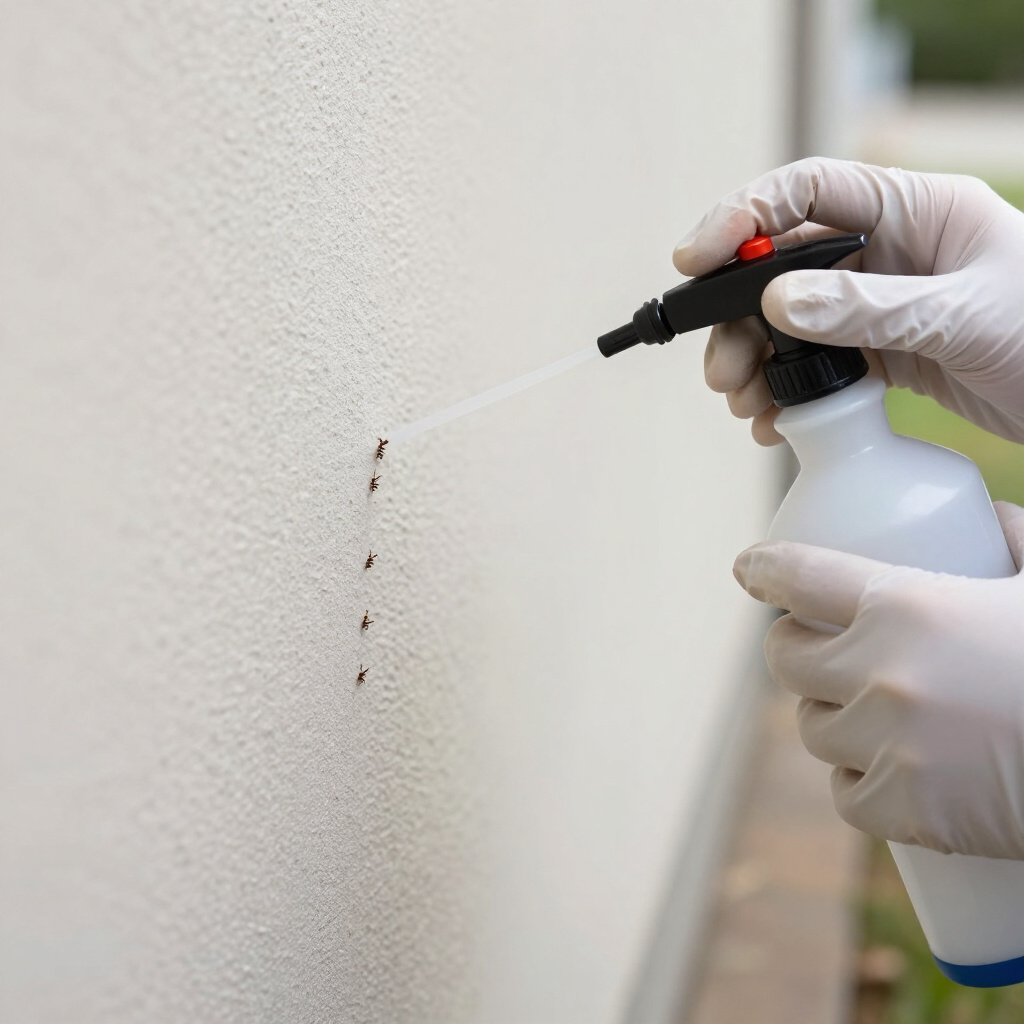
Ant infestations rank among the most frequent complaints in Centennial neighborhoods. Pavement ants and odorous house ants exploit the expansive concrete foundations common in newer developments, establishing colonies that send foragers into kitchens and pantries seeking moisture and food sources. During summer monsoon periods, these invasions intensify dramatically.
Spider activity concerns many residents, particularly with brown recluse and black widow species present in Denver County. The dry climate and abundant rock landscaping around Centennial homes provide ideal harborage. Basements, garages, and storage areas become hotspots where these venomous spiders establish undetected populations.
Seasonal invaders create recurring headaches. Boxelder beetles cluster on south-facing walls during autumn, seeking entry points before winter. Voles damage lawns and ornamental plantings in established neighborhoods with mature landscaping. Summer brings wasp and yellowjacket nests under eaves and in outdoor living spaces.
Termite pressure, while lower than in humid regions, still threatens Centennial properties. Eastern subterranean termites remain active in Denver County soil, particularly in irrigated areas where moisture levels support colony development. Detection often comes too late, after structural damage becomes visible.
How We Help Centennial Homeowners
Our approach addresses Centennial's specific environmental conditions rather than applying generic treatment protocols. We begin with thorough property assessments that account for your home's construction era, surrounding vegetation, and proximity to open spaces or water features that influence pest pressure.
Integrated pest management forms the foundation of our service. This means targeting pest biology and behavior with precision treatments rather than blanket pesticide applications. For ant problems, we trace trails to locate nesting sites and apply targeted treatments that eliminate colonies at their source. Spider management combines web removal, harborage reduction, and strategic barrier applications around entry points.
We educate homeowners on structural modifications that prevent reinfestation. Sealing foundation gaps, adjusting irrigation schedules, and modifying landscaping materials around your Centennial property often prove as important as professional treatments in achieving lasting control.
Pest Control Services Available in Centennial
Residential Pest Control
Ongoing protection programs tailored to Centennial's seasonal pest cycles. Quarterly or bi-monthly service visits maintain protective barriers and address emerging issues before they escalate.
Termite Inspection & Treatment
Certified inspections for real estate transactions and ongoing monitoring. Treatment options include liquid barriers and baiting systems appropriate for Colorado soil conditions.
Rodent Control
Comprehensive mouse and rat management including entry point exclusion, trapping programs, and sanitation recommendations for Centennial homes near open space corridors.
Stinging Insect Removal
Safe nest removal for wasps, hornets, and yellowjackets. Evening treatments minimize defensive behavior risks, with follow-up inspections to prevent re-establishment.
Seasonal Pest Prevention
Targeted programs for boxelder bugs, elm leaf beetles, and other overwintering invaders common to Centennial's mature neighborhoods.
Wildlife Management
Humane exclusion of raccoons, squirrels, and skunks from attics and crawl spaces, with damage repair and prevention recommendations.
Pest Control Pricing in the Centennial Area
Service costs in Centennial reflect property characteristics, pest complexity, and treatment frequency rather than arbitrary geographic pricing. Most single-family homes in neighborhoods like Willow Creek, Foxfield, or Piney Creek Ranch fall within predictable ranges based on square footage and lot conditions.
Initial general pest treatments typically range from $150 to $350 depending on home size and infestation severity. This covers comprehensive interior and exterior treatment, targeted applications for active pest issues, and establishment of defensive barriers. Homes with significant ant colonies, multiple spider species, or established rodent activity require more intensive initial service.
Ongoing protection programs represent the most economical approach for Centennial properties. Quarterly maintenance plans generally run $400 to $700 annually, spreading costs across scheduled visits that maintain consistent protection. These programs include unlimited callbacks between scheduled services at no additional charge.
Specialized services carry separate pricing structures. Termite inspections for real estate transactions typically cost $75 to $150. Full termite treatment using modern non-repellent products ranges from $800 to $2,500 depending on foundation type and linear footage to be protected. Wasp nest removal during active season runs $125 to $250 per nest location.
We provide detailed written estimates before any work begins, with no obligation or hidden fees. Pricing transparency ensures Centennial homeowners can make informed decisions about protecting their properties.
Frequently Asked Questions
Are the pesticides used safe for pets and children?
Yes. We utilize products formulated for reduced mammalian toxicity and apply them according to label specifications that minimize exposure risk. Treatment protocols avoid areas where children and pets have direct contact, and we provide specific re-entry timing guidance after each service.
How quickly can you respond to pest emergencies in Centennial?
Same-day and next-day appointments are typically available for urgent situations including active wasp nests, rodent infestations, or severe ant invasions. Standard scheduling usually accommodates new customer inspections within 48 hours.
Why do I need ongoing service if the initial treatment worked?
Colorado's climate creates continuous pest pressure from surrounding open spaces and neighboring properties. Ongoing maintenance establishes persistent protective barriers that prevent new colonies from establishing, rather than reacting after infestations develop. This proactive approach proves more effective and ultimately less expensive than repeated emergency treatments.