

Common Pest Control Problems in Lone Tree
Living at the edge of the Front Range, Lone Tree homeowners face a unique mix of suburban and semi-rural pest pressures. The city's position along Interstate 25 creates corridors where rodents, ants, and occasional wildlife move between the open grasslands of Douglas County and residential neighborhoods. Combine that with Colorado's dramatic seasonal shifts, and pest problems here rarely stay simple.
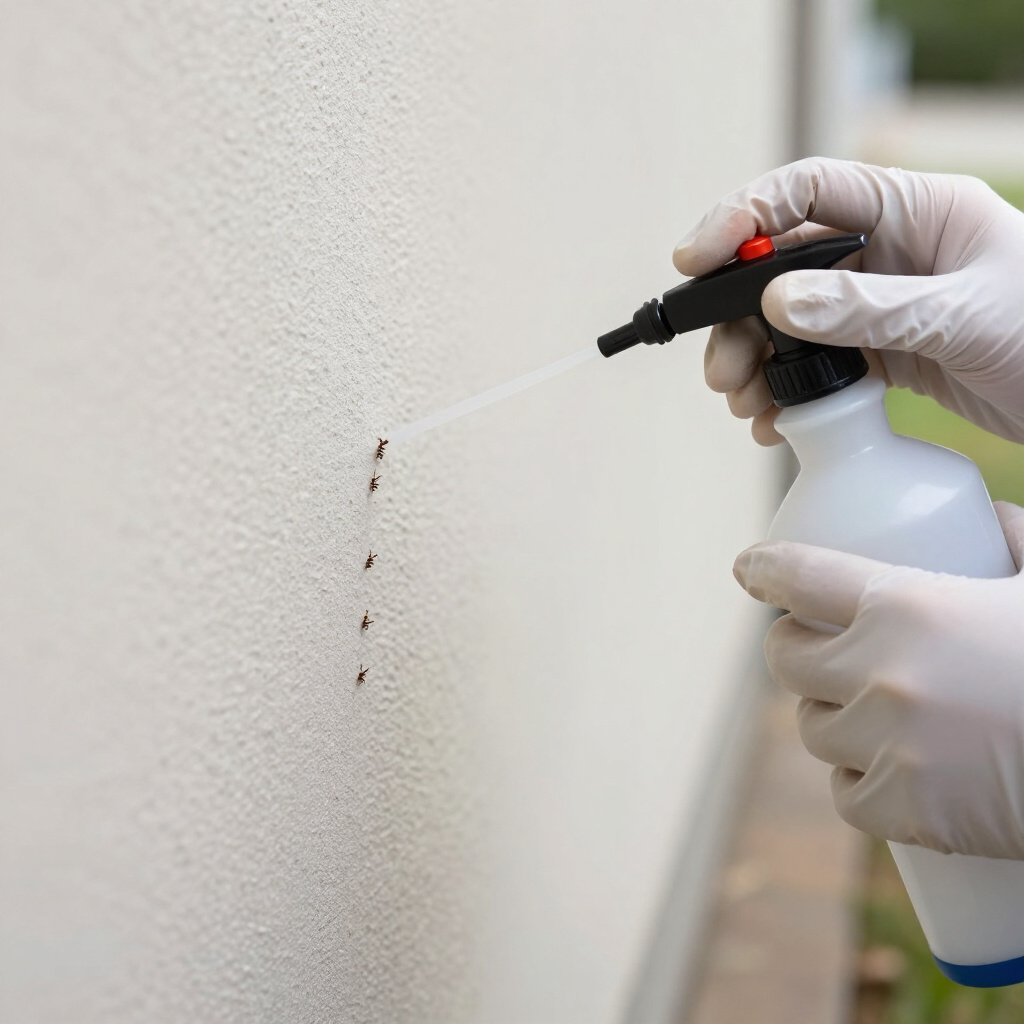
Ant infestations rank among the top complaints. Pavement ants and odorous house ants exploit the temperature differentials between warm foundations and cooler soil, marching into kitchens and bathrooms from spring through fall. When summer droughts hit, these colonies aggressively seek moisture indoors.
Spiders represent another persistent issue. Wolf spiders and house spiders thrive in the rocky, well-drained soils throughout the Lone Tree area. Basements, crawl spaces, and garages with stored items become prime habitat. For residents with properties backing to open space or the Bluffs Regional Park area, encounters increase significantly during mating seasons.
Wasps and yellowjackets pose seasonal risks, particularly in neighborhoods with mature landscaping and outdoor living spaces. The warm, dry afternoons typical of Douglas County summers drive these stinging insects toward patios, pools, and eaves where they build nests and defend territory aggressively.
Less visible but equally problematic, rodents exploit construction gaps in newer developments and established homes alike. Mice access wall voids through utility penetrations, while Norway rats follow drainage systems and greenbelts. Once inside, they contaminate insulation, chew wiring, and create fire hazards.
Occasional invaders—boxelder bugs, millipedes, and elm seed beetles—surprise homeowners during seasonal migration periods. These pests don't cause structural damage but create significant nuisance when they cluster on sunny exterior walls and squeeze through window frames.
How We Help Lone Tree Homeowners
Effective pest management in Lone Tree requires understanding the specific pressures of Douglas County's climate and development patterns. We begin with thorough inspections that identify not just active infestations, but the environmental conditions and entry points that enable them.
Our approach integrates multiple strategies rather than relying on single treatments. For ant problems, we trace trails to nesting locations and apply targeted treatments to colonies rather than simply spraying visible workers. Spider management combines exterior perimeter treatments with habitat modification recommendations—reducing harborage around foundations and adjusting exterior lighting to minimize prey attraction.
Wasps and hornets receive precise nest removal with protective treatments to discourage rebuilding. For rodent issues, we implement exclusion work sealing entry points down to one-quarter inch, combined with strategic trapping and monitoring programs.
We also address the moisture and vegetation management factors that attract pests to Lone Tree properties in the first place. Proper grading, gutter maintenance, and landscape buffer zones between structures and dense plantings significantly reduce long-term pest pressure.
Pest Control Services Available in Lone Tree
- General Pest Control — Ongoing protection against ants, spiders, cockroaches, and common invaders with scheduled exterior treatments and interior coverage as needed.
- Rodent Control & Exclusion — Inspection, trapping, removal, and structural sealing to eliminate current populations and prevent reinfestation.
- Wasp & Hornet Removal — Safe nest elimination from eaves, trees, ground cavities, and wall voids with preventive treatments.
- Termite Inspection & Treatment — Detection and elimination of subterranean termite colonies using targeted soil treatments and monitoring systems.
- Wildlife Management — Humane removal of skunks, raccoons, squirrels, and other wildlife with exclusion repairs and habitat modification.
- Seasonal Mosquito Reduction — Larviciding and adult control treatments for properties with standing water or outdoor entertainment areas.
- Commercial Pest Control — Customized programs for Lone Tree retail, restaurant, office, and healthcare facilities with documentation for health inspections.
Pest Control Pricing in the Lone Tree Area
Pest control costs in Lone Tree reflect property size, pest type, infestation severity, and whether you need one-time resolution or ongoing prevention. Douglas County's mix of townhouse communities, single-family homes, and larger estates on open land creates varied pricing scenarios.
One-time general pest treatments typically range from $150 to $350 depending on home size and problem complexity. These address active infestations of ants, spiders, or occasional invaders with limited follow-up.
Quarterly maintenance programs—recommended for most Lone Tree properties given our seasonal pest cycles—generally run $400 to $700 annually. These plans include scheduled exterior barrier treatments, free re-service calls between visits, and protection against the broad spectrum of pests common to the area.
Rodent control requiring exclusion work adds $200 to $600 depending on entry point quantity and accessibility. Severe infestations needing attic restoration or insulation replacement represent additional investment.
Termite treatment costs vary substantially based on structure size and foundation type, with soil treatments for average homes typically between $800 and $2,000. Wasp nest removal starts around $150 for accessible single nests, increasing for height, location difficulty, or multiple colonies.
We provide detailed, written estimates before any work begins, with clear explanations of recommended services and available alternatives.
Frequently Asked Questions
Are pests worse in newer Lone Tree developments?
New construction often disturbs existing pest habitats, pushing rodents, ants, and spiders toward finished homes. Additionally, landscaping establishment creates temporary moisture and shelter conditions attractive to pests. Most new developments see elevated pest activity for 2-3 years post-construction.
How does proximity to Bluffs Regional Park affect pest issues?
Properties adjacent to open space experience higher wildlife and spider pressure. Rodents travel along greenbelts, while flying insects and spiders migrate from undisturbed habitat. These homes benefit most from consistent perimeter treatments and vigilant exclusion maintenance.
Do I need pest control in winter?
Yes. While outdoor pest activity decreases, rodents actively seek indoor shelter as temperatures drop. Spiders and overwintering insects cluster in wall voids and attics. Winter inspections often reveal developing problems invisible during active seasons.
Are treatments safe for pets and children?
Modern pest control products, when applied by trained professionals following label directions, present minimal risk to families and pets. We use targeted application methods that minimize exposure, recommend brief re-entry intervals when needed, and gladly discuss specific product concerns.